START WITH THE PROBLEM
What problem are you trying to solve?
Choose the frustration first. We’ll take you to practical ideas for the space you already have—before you think about buying more.
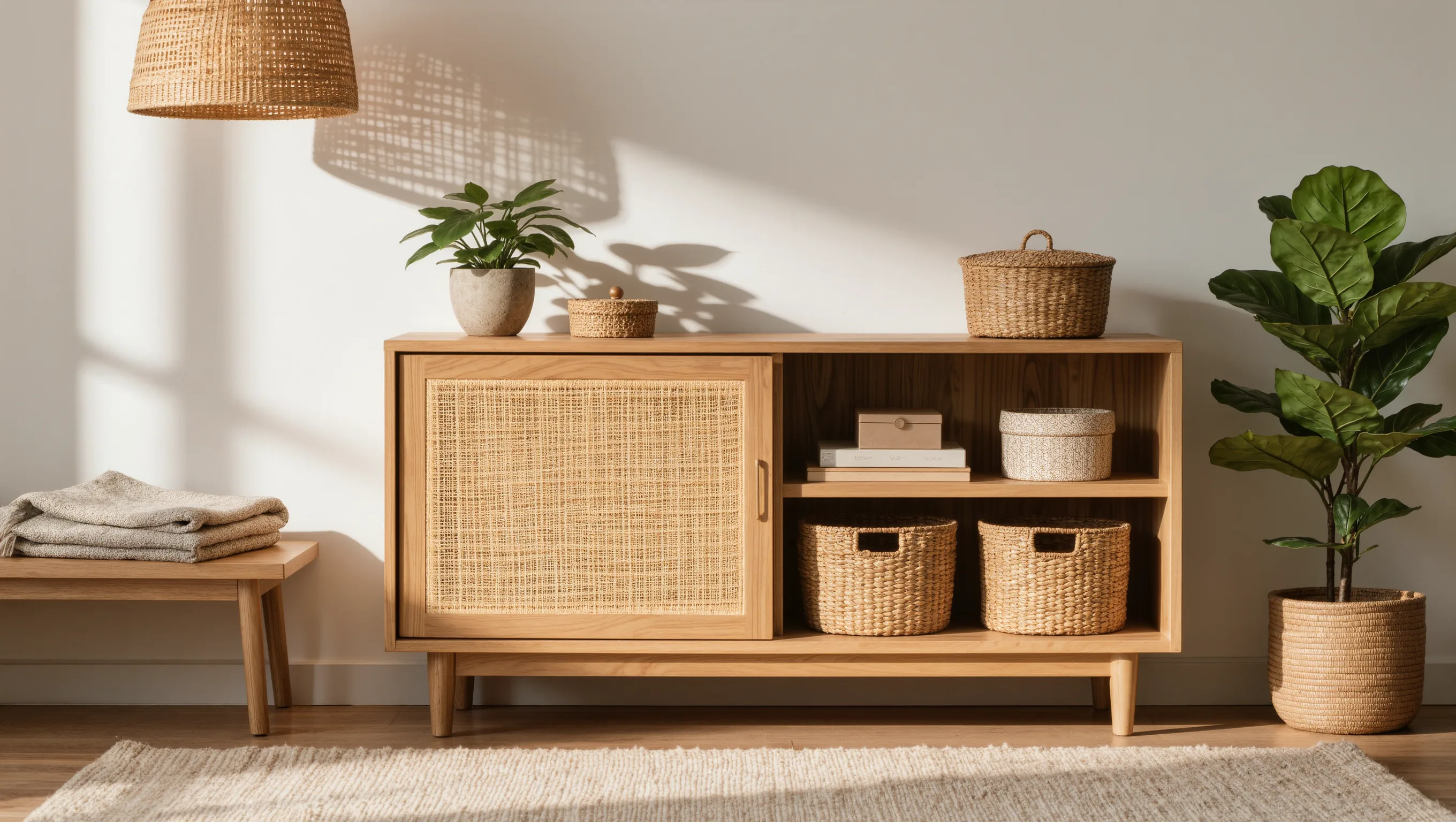
I need more storage
Find hidden volume before adding furniture.
See solutions →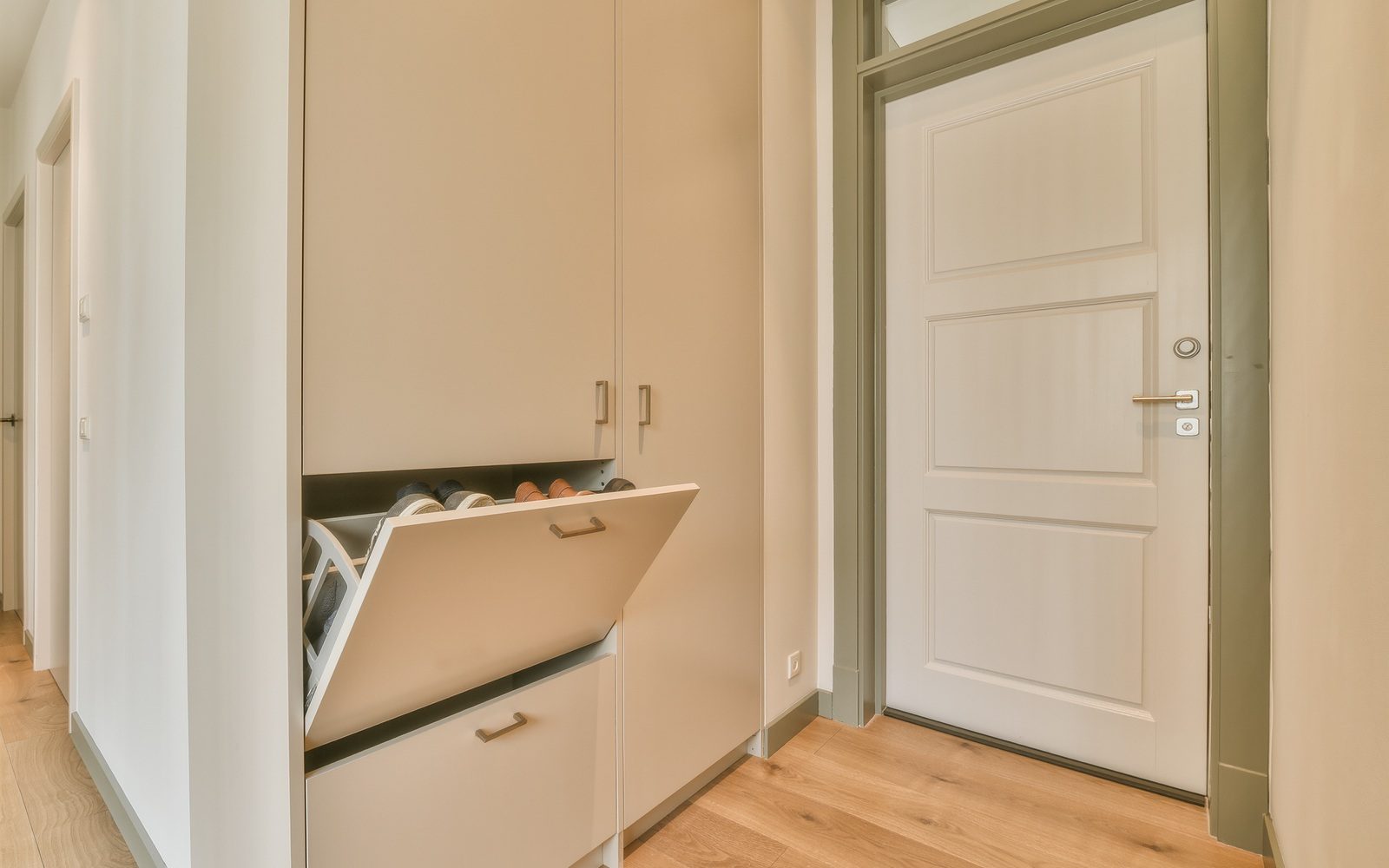
I have no floor space
Use walls, doors, height and narrow gaps.
See solutions →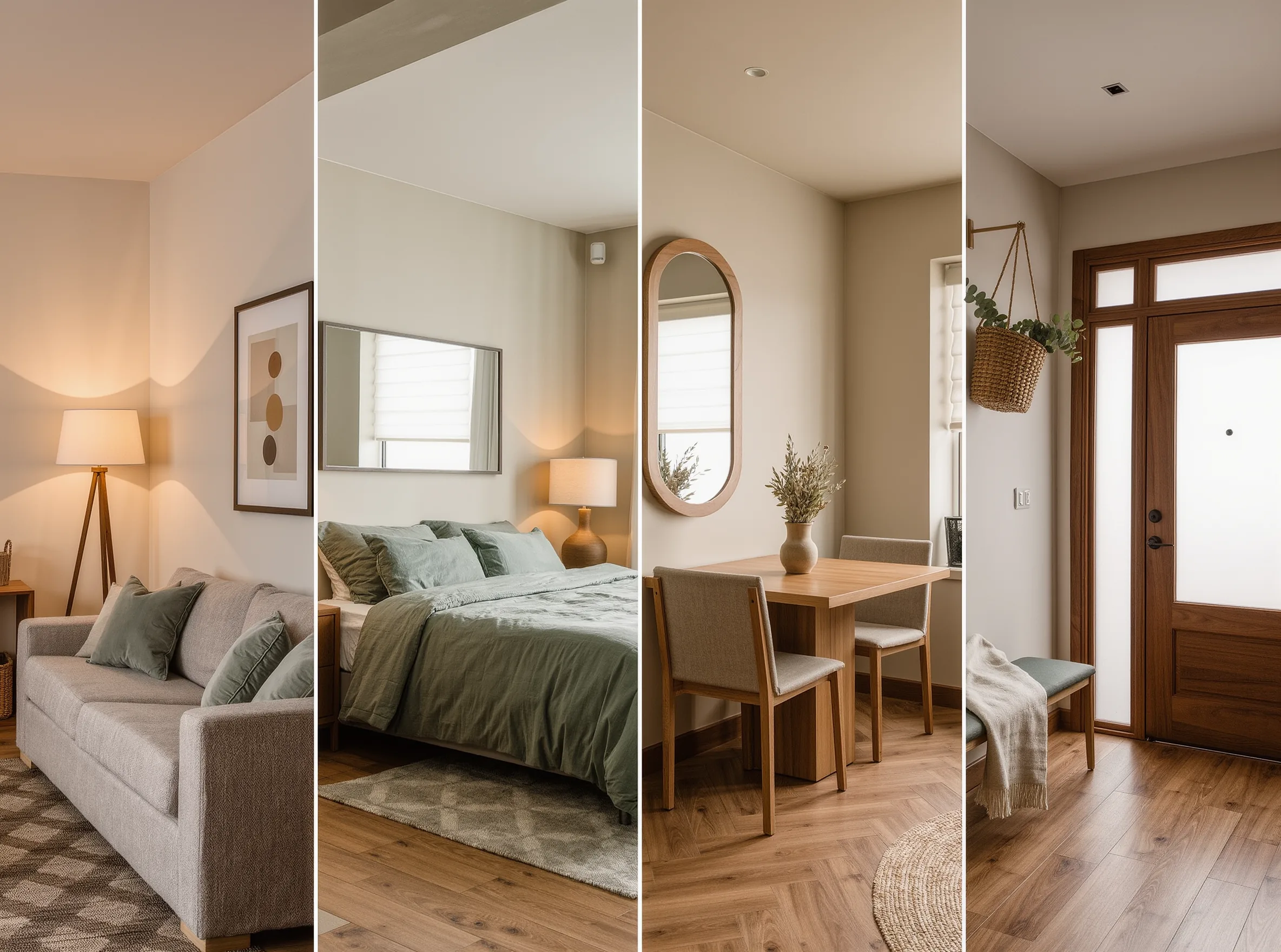
My entrance gets cluttered
Create a simple drop zone that is easy to reset.
See solutions →My kitchen cabinets are full
Improve visibility, access and cabinet height.
See solutions →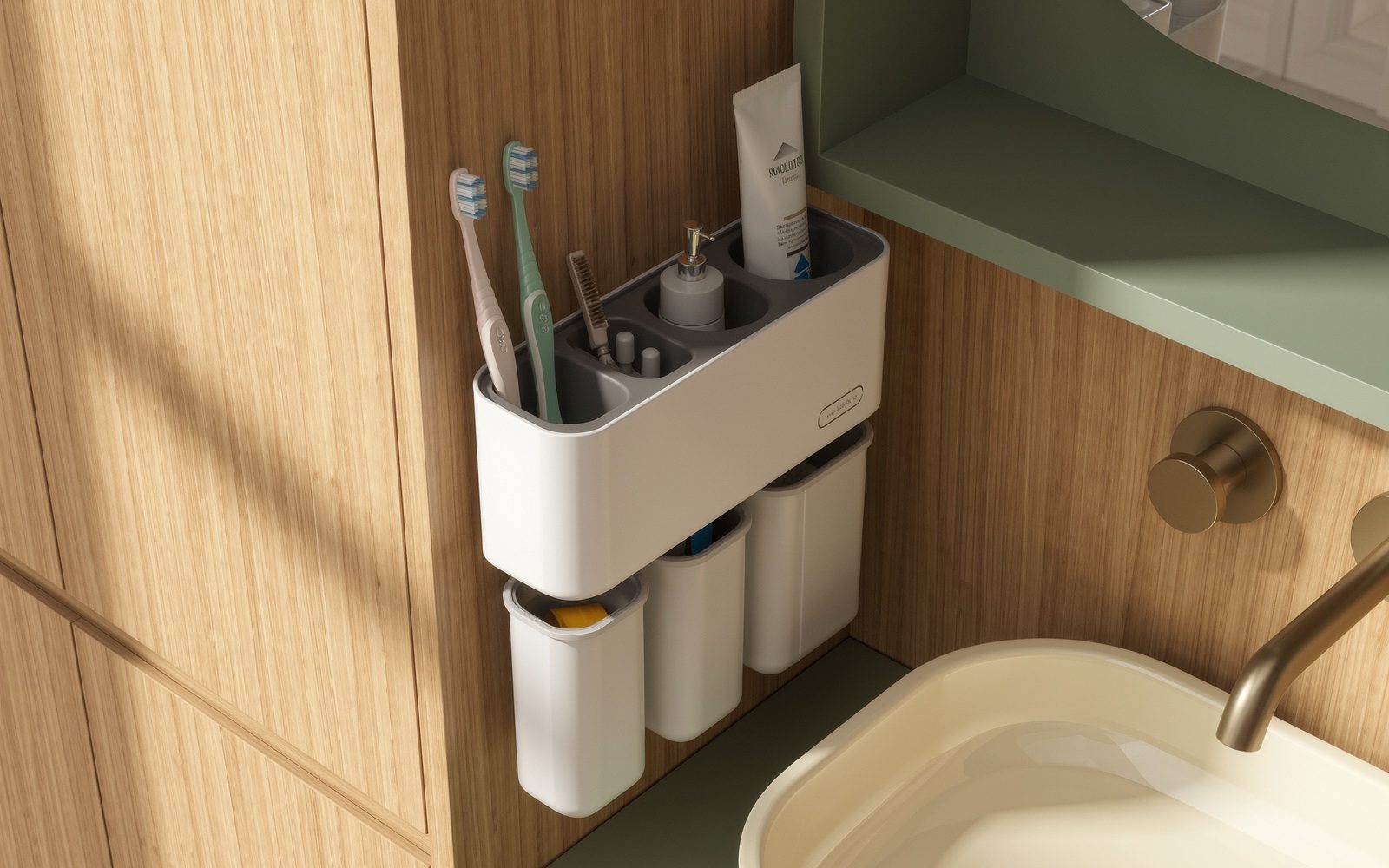
My bathroom feels crowded
Use vertical and hidden storage to clear surfaces.
See solutions →My bedroom feels cramped
Protect circulation and make storage work around the bed.
See solutions →HOW IT WORKS
Problem → measure → solution → product match.
Solve first. Buy only what fits.
Start with the problem, measure the constraint, and choose a solution family before comparing products.
Browse solutionsFree measuring guideHOME INTRODUCTION
Solve the small-space problem before you buy anything.
See the problem, understand the solution, then explore the room or zone that needs attention.
LESS CLUTTER. BETTER FINDS.
Real solutions for small spaces — matched to the problem.
Practical product ideas for people who want less clutter, smoother routines, and small spaces that work harder without feeling overfilled.
Collections start with a real organization problem, not an endless product list.
Fewer picks, clearer reasons for why they belong in the edit.
THE SMALL SPACE POINT OF VIEW
Useful things should earn their place.
Small Space Tricks is built around a simple filter: every recommendation should make a routine easier, reduce clutter, or use limited space more intelligently.
KITCHEN
Keep counters clear.
Move everyday storage upward or into cabinets so preparation space stays usable.
ENTRYWAY
Use the wall before the floor.
Hooks, wall storage and narrow organizers add capacity without blocking the entrance.
BEDROOM
Use hidden volume.
Under-bed storage keeps bulky items out of sight while preserving valuable floor space.
BATHROOM
Clear horizontal surfaces.
Move toiletries into vertical and wall-mounted storage so the sink and floor stay open.
START WITH THE PROBLEM
Four common small-space pressure points.
Choose the area causing the most friction, then see the organizing principle before looking at products.
 01
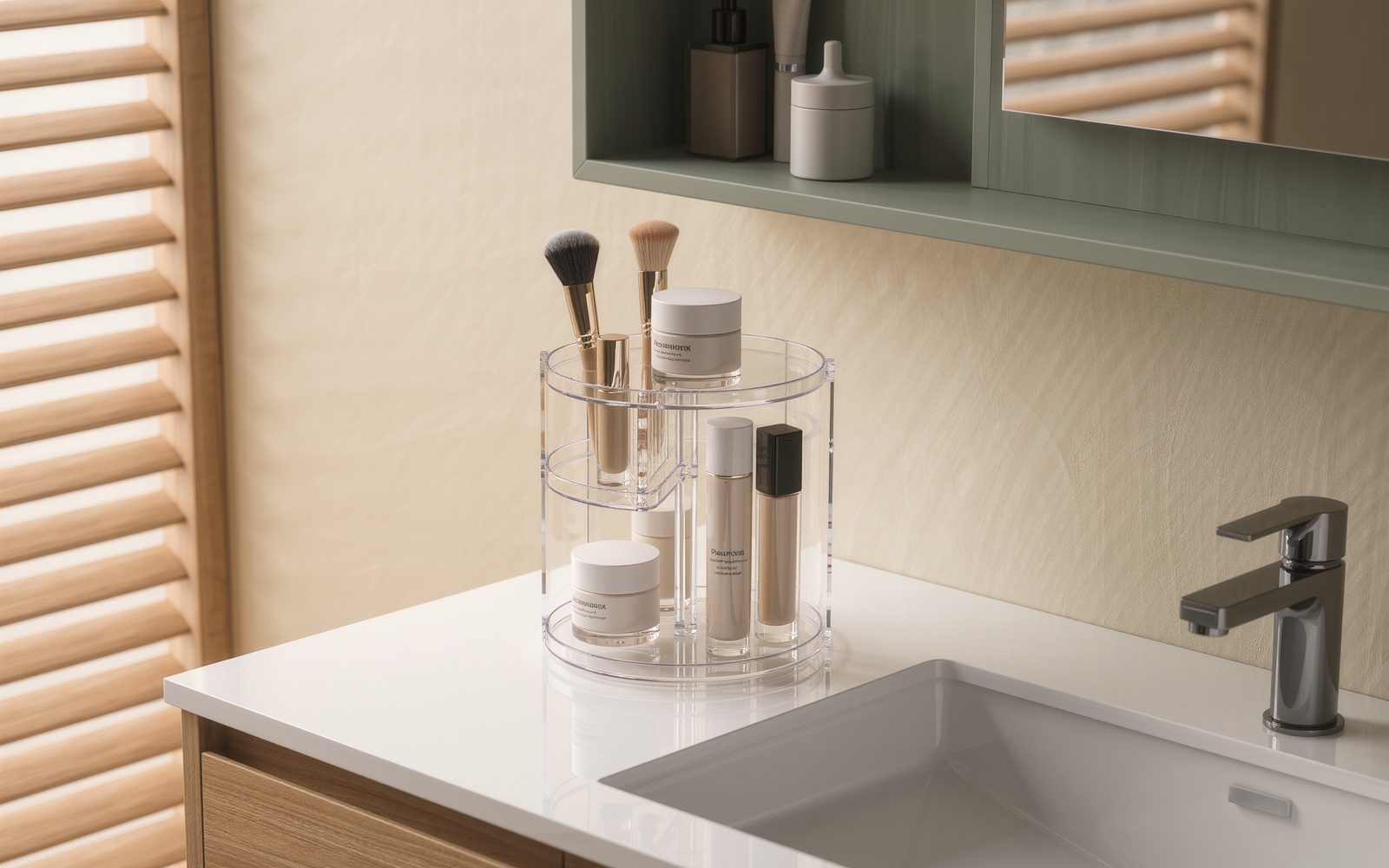
01BATHROOM
Clear horizontal surfaces
Move toiletries off the sink and shower floor.
Explore solution →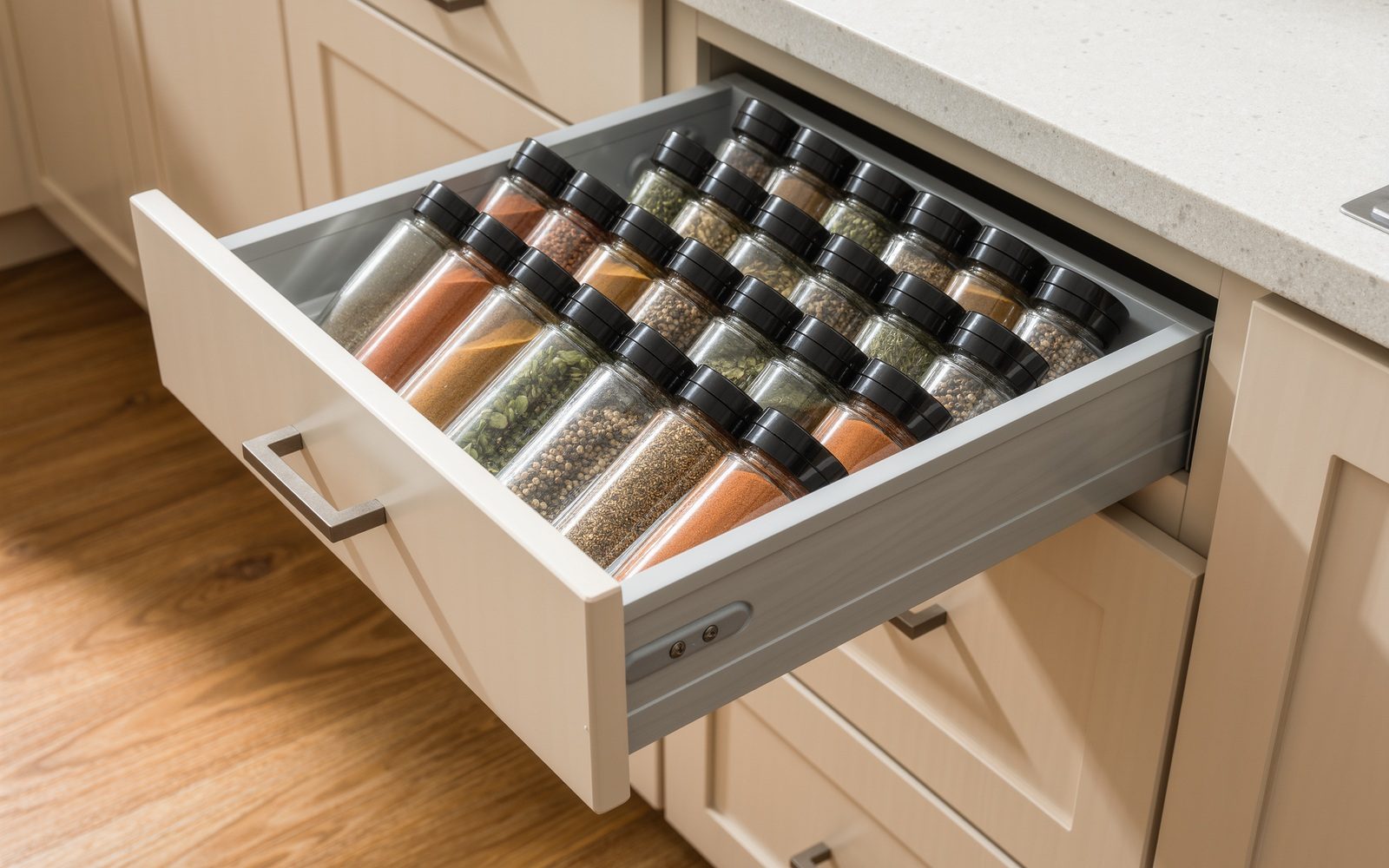 02
02KITCHEN
Bring storage within reach
Use cabinet height, pull-outs and narrow gaps before adding more furniture.
Explore solution →03ENTRYWAY
Protect the walking path
Move shoes, coats and daily essentials onto walls, doors and slim vertical zones.
Explore solution →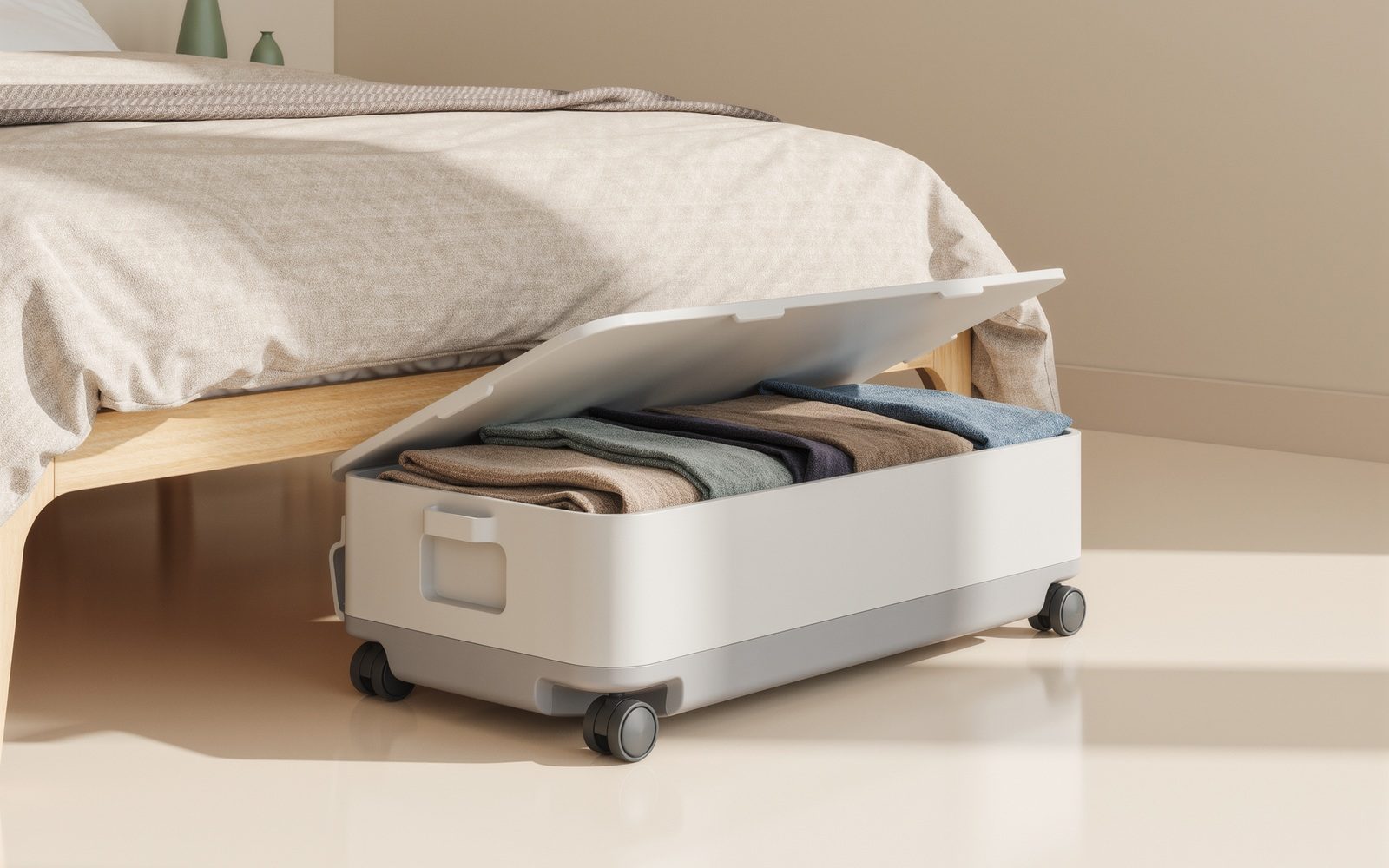 04
04TINY ROOM
Use hidden and vertical volume
Protect circulation by using under-bed, door and tall storage first.
Explore solution →ORGANIZE BY ZONE
Start with the room that needs relief.
Planning, storage and product ideas stay focused on the home: bedrooms, kitchens, entryways and bathrooms.
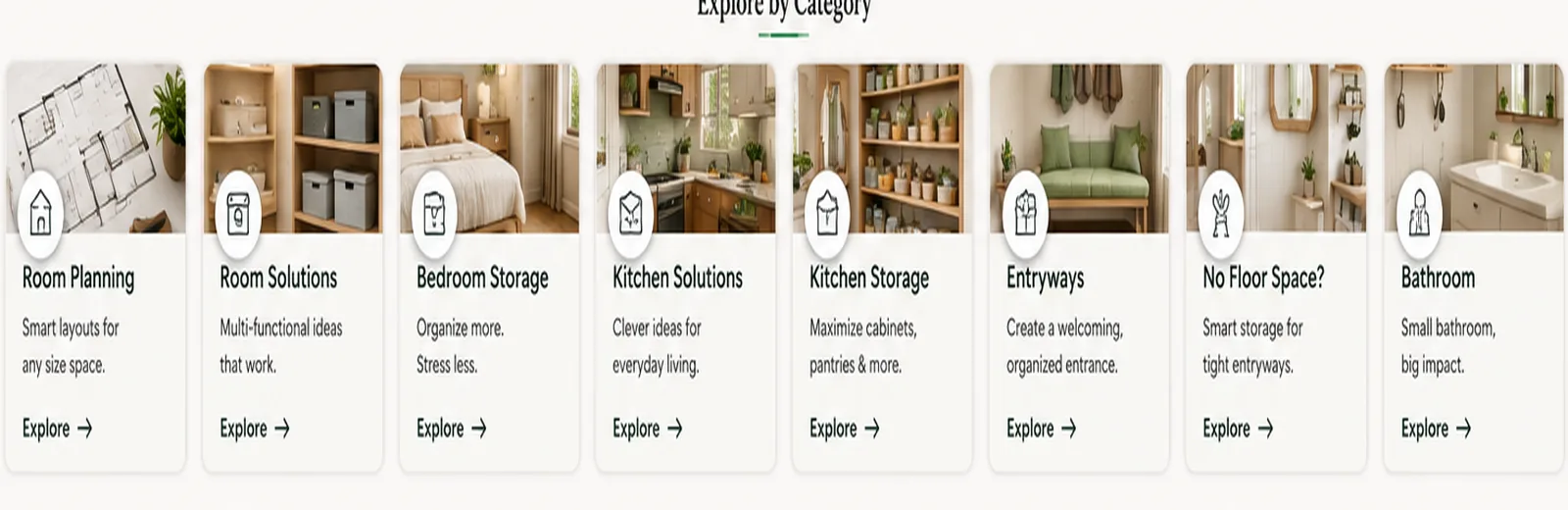
START HERE
Start with the part of the home that causes the most friction.
Instead of one endless product wall, each collection is built around a clear use case: packing with less chaos, organizing the kitchen, and making a tiny entrance work better.
Kitchen Finds
Storage ideas designed to make everyday kitchen routines easier.
Explore kitchen → 03Tiny Entryways
Vertical storage and compact organization for awkward entrances.
Explore entryways → 04 / TINY ROOMSPlan the room first.
Bedroom layouts, vertical storage and ways to protect limited floor space.
Explore the edit →THE EDITOR'S PATH
Browse by the problem you want to solve.
01 / BATHROOM ORGANIZATION
Clear the sink. Use the walls.
Practical ways to move toiletries off crowded surfaces and into shower walls, slim gaps and vertical storage.
HOME ORGANIZATION GUIDES
Plan first. Organize second.
Use these guides when the problem is bigger than one product.
02 / KITCHEN FINDS
Make the kitchen easier.
Storage and organization picks for making everyday kitchen space feel more deliberate.
01Bring spices within reach
Pull-out storage makes deep cabinet contents easier to see and access.
 02
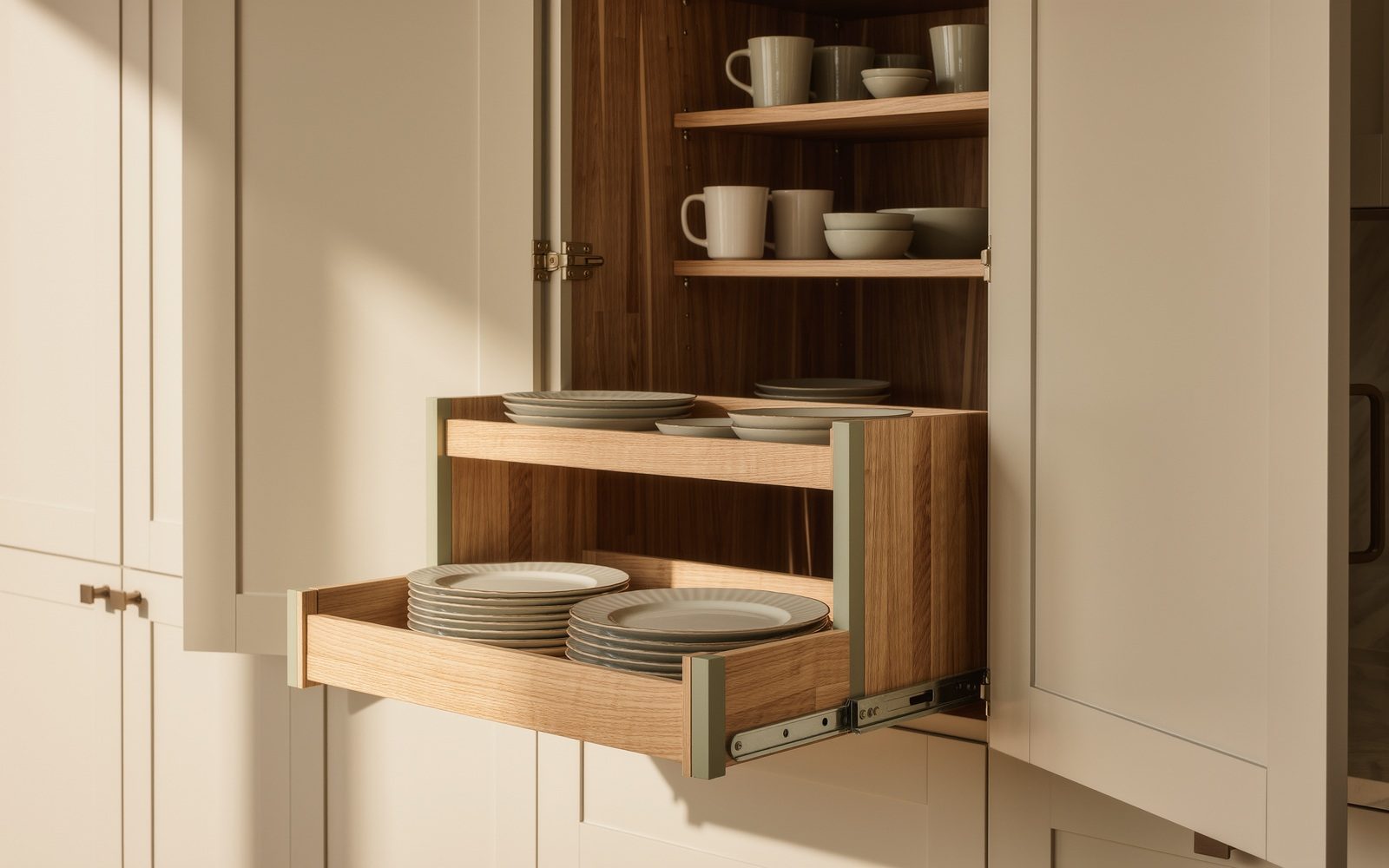
02Use the full cabinet height
Add useful storage levels instead of stacking everything on one shelf.
 03
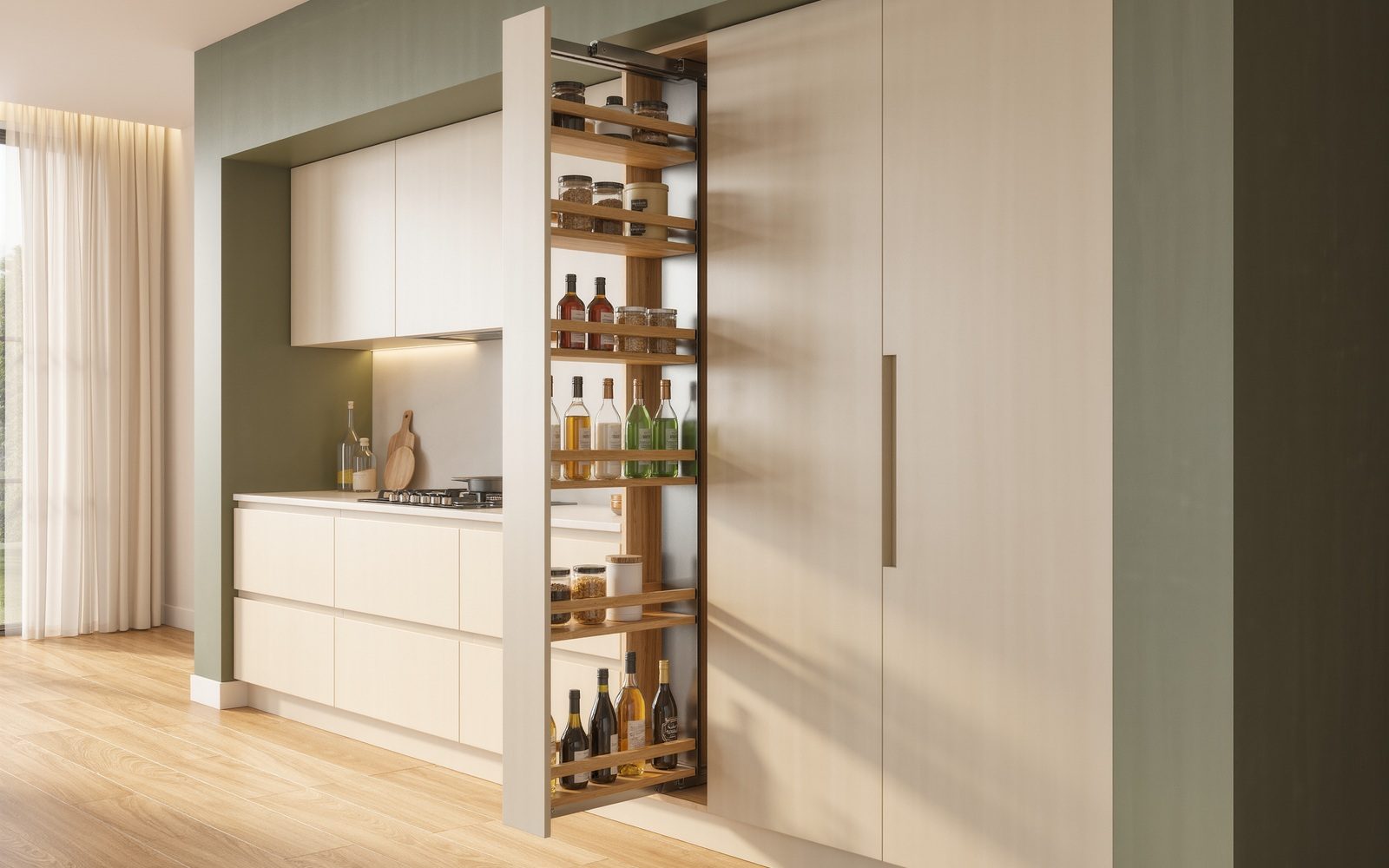
03Use narrow gaps intelligently
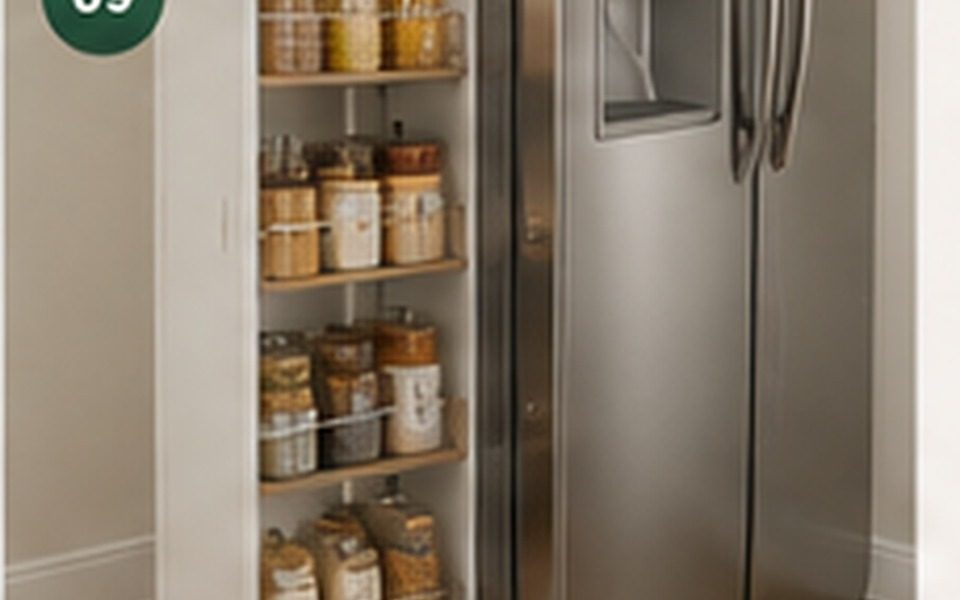
Turn slim unused spaces into organized pantry storage.
 04
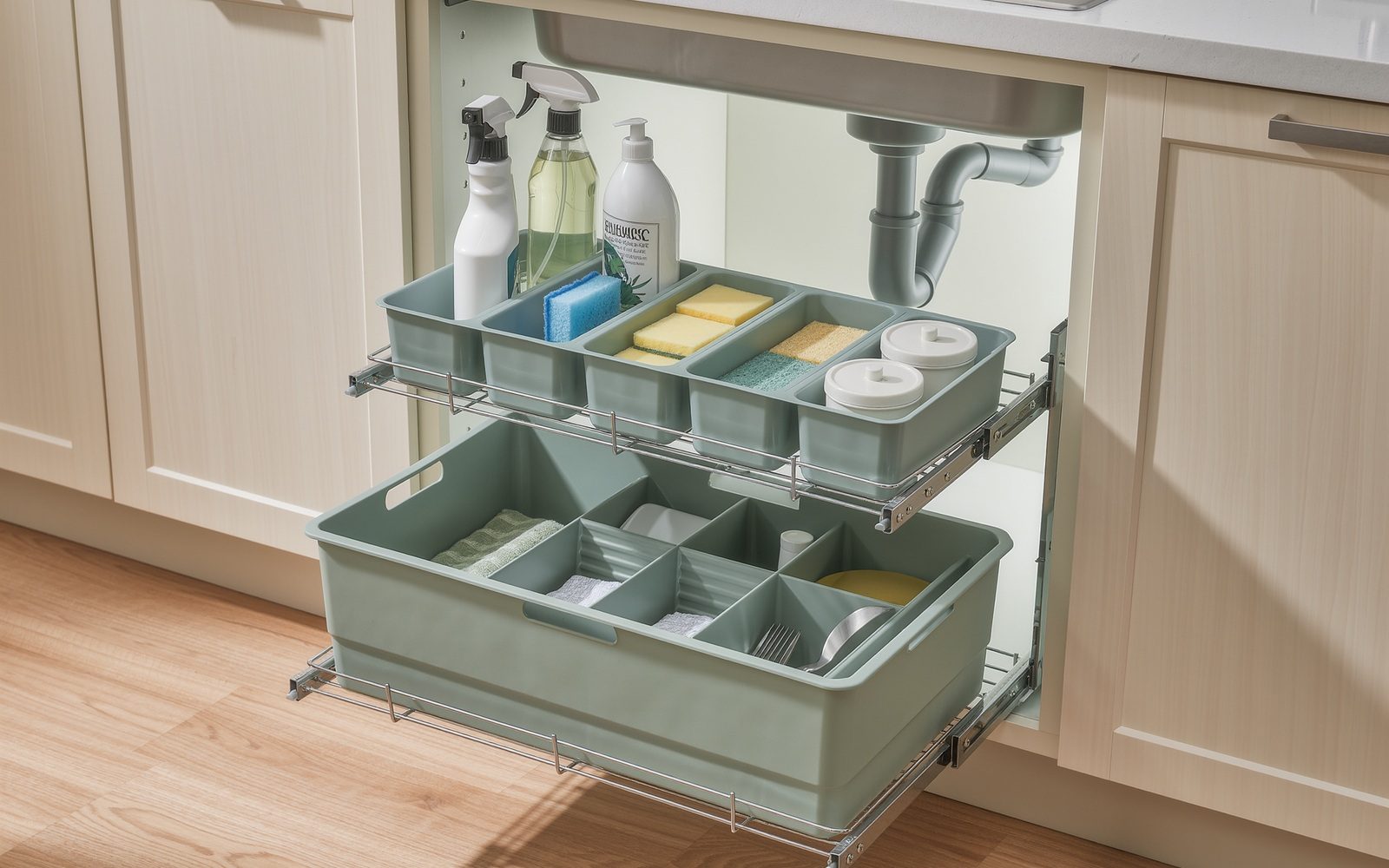
04Make under-sink storage work
Use pull-forward storage around plumbing instead of losing the whole cabinet.
03 / TINY ENTRYWAYS
Use every inch.
Entryway ideas that prioritize vertical storage, hooks and compact organization.
01Get shoes off the walkway
Keep circulation clear with slim, dedicated shoe storage.
 02
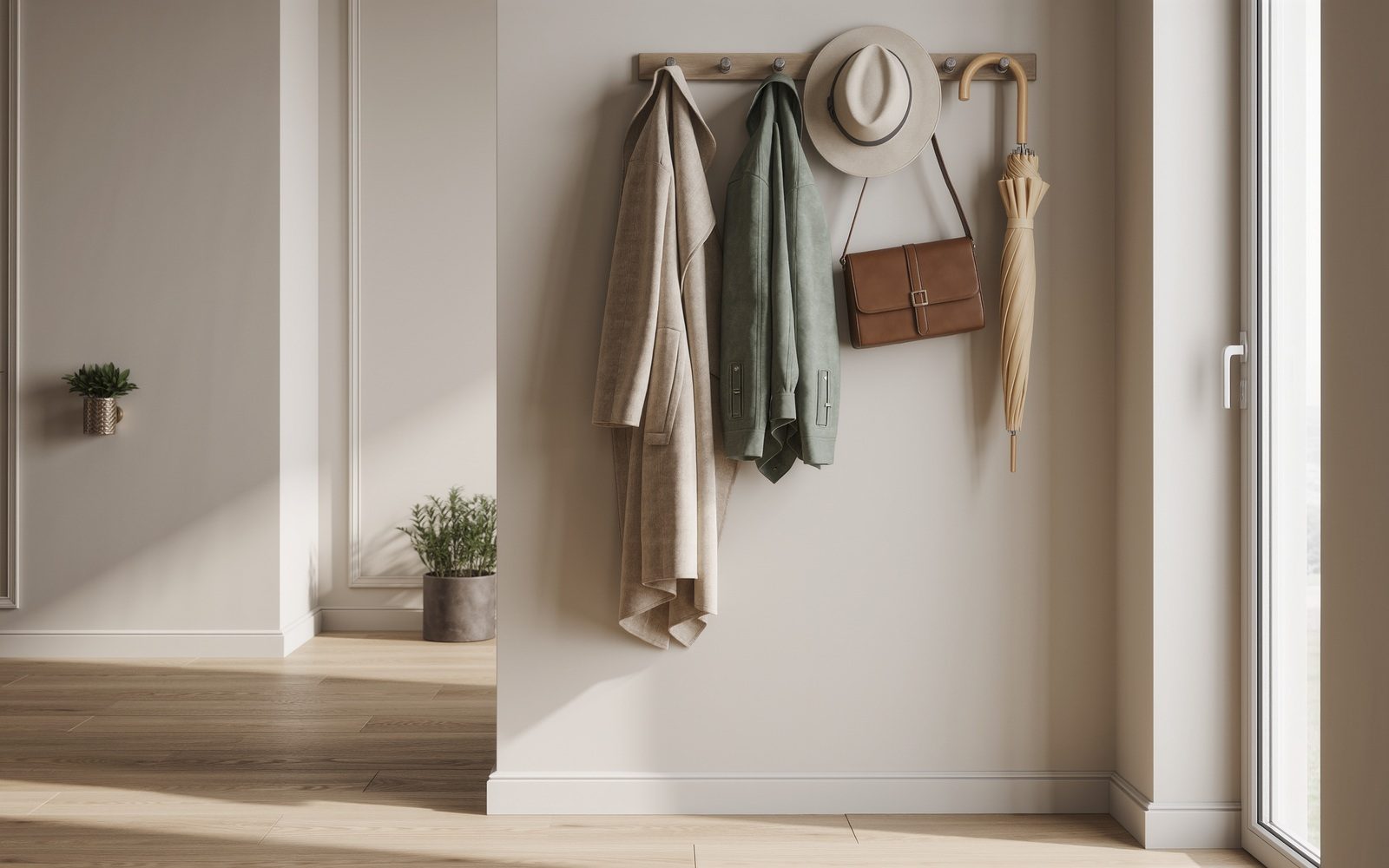
02Move coats and bags to the wall
Use vertical hanging space before adding floor furniture.
 03
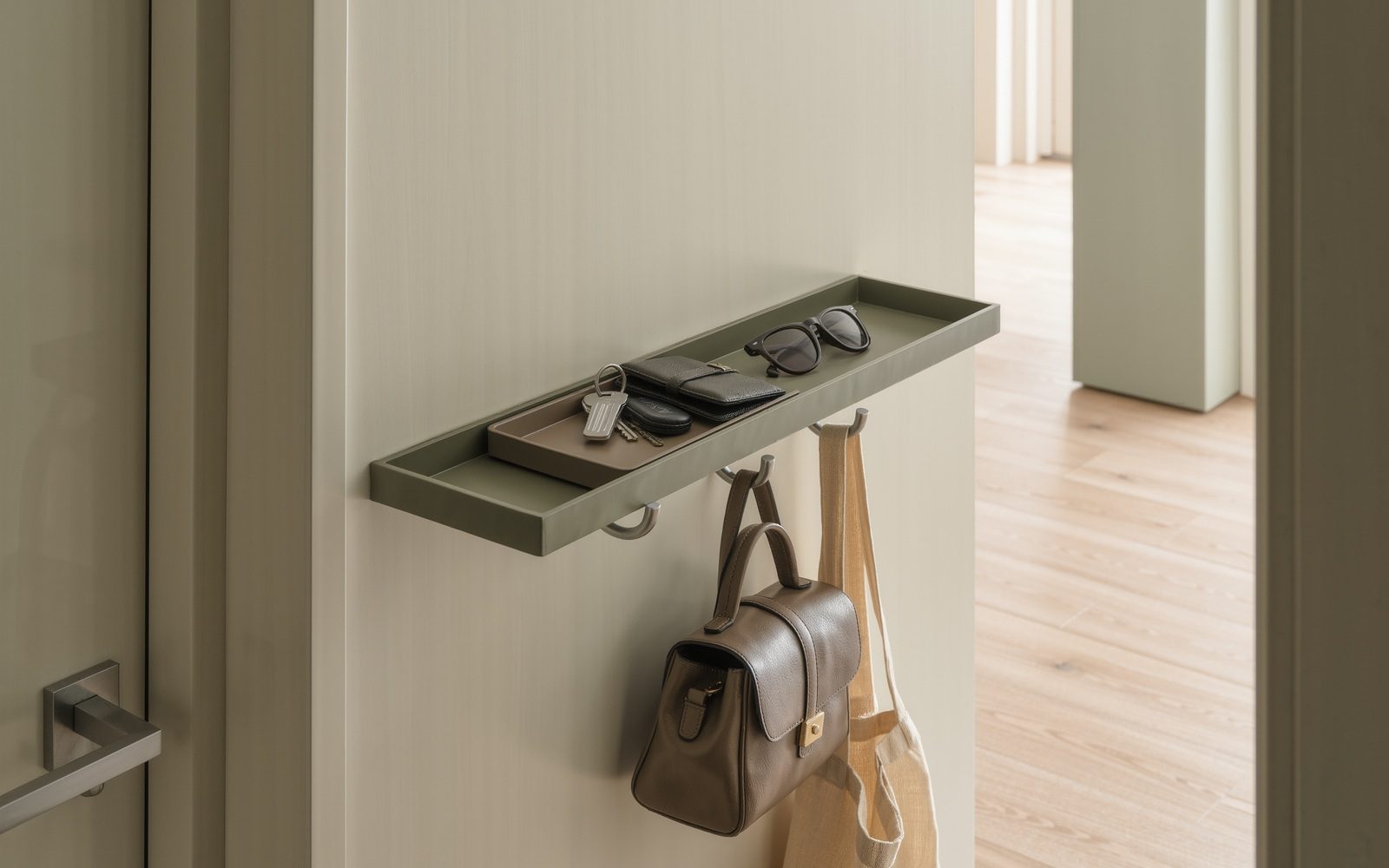
03Create a landing zone
Give keys and everyday pocket items one predictable home.
 04
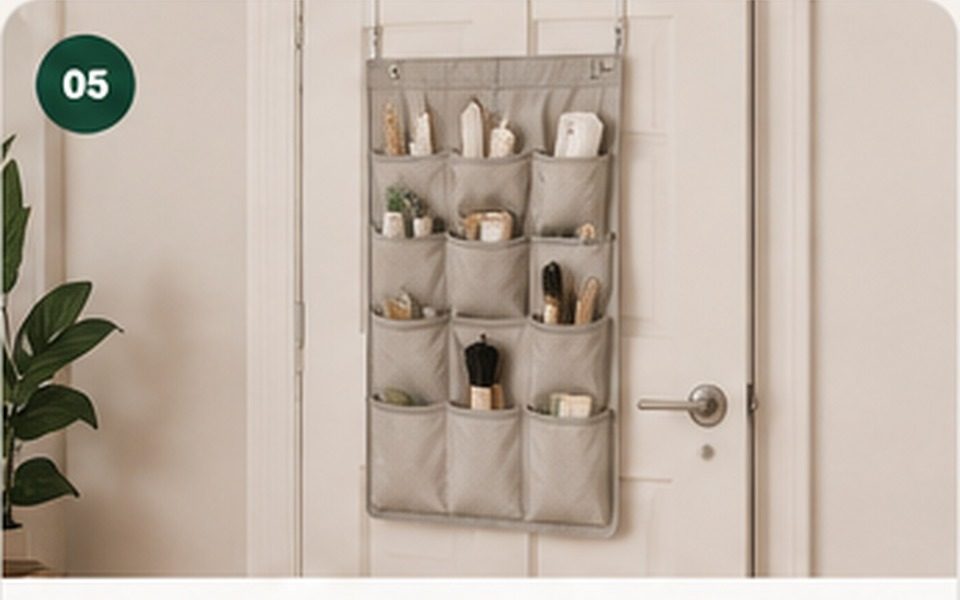
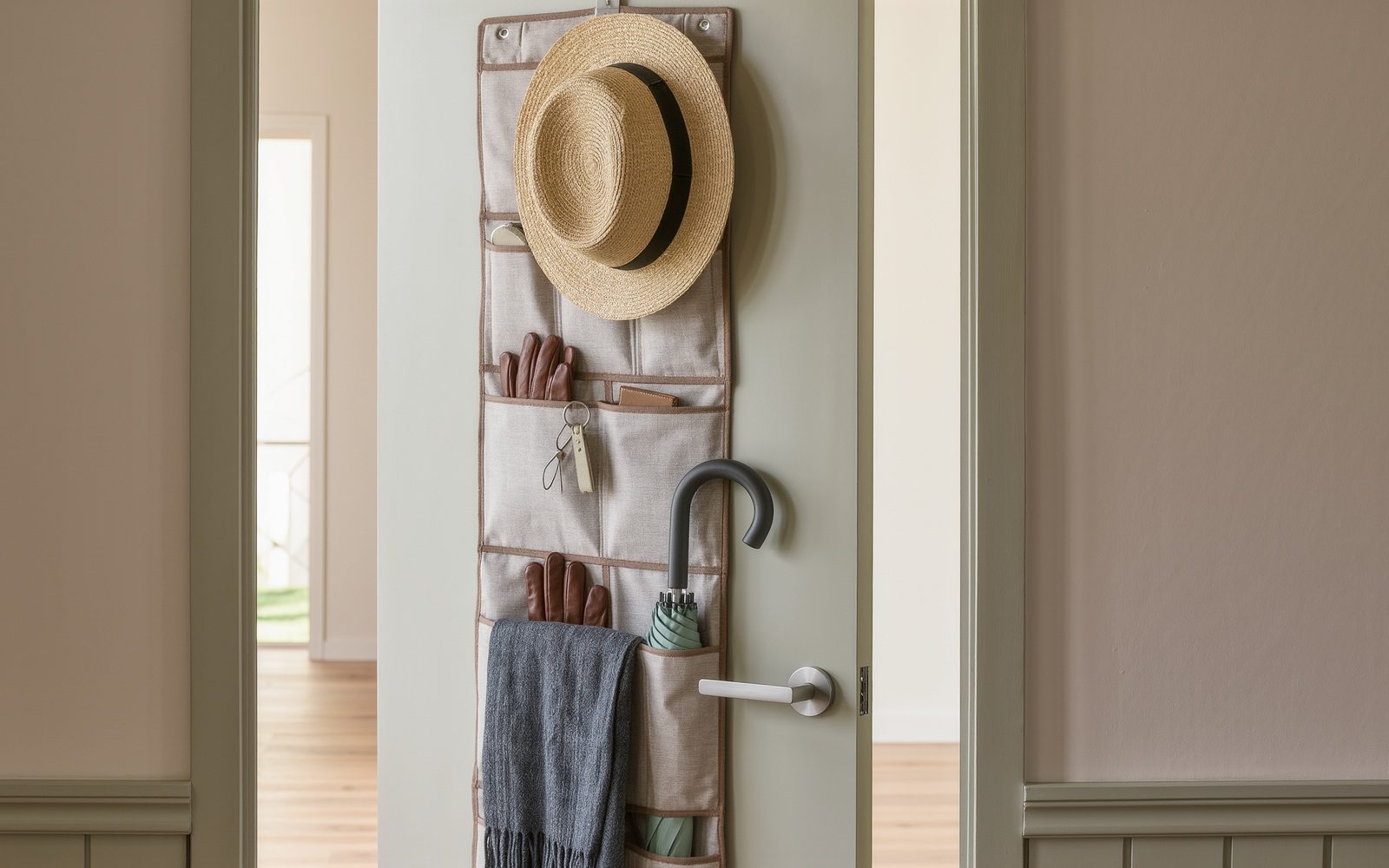
04Use the back of the door
Recover an overlooked vertical surface for small-item storage.
 05
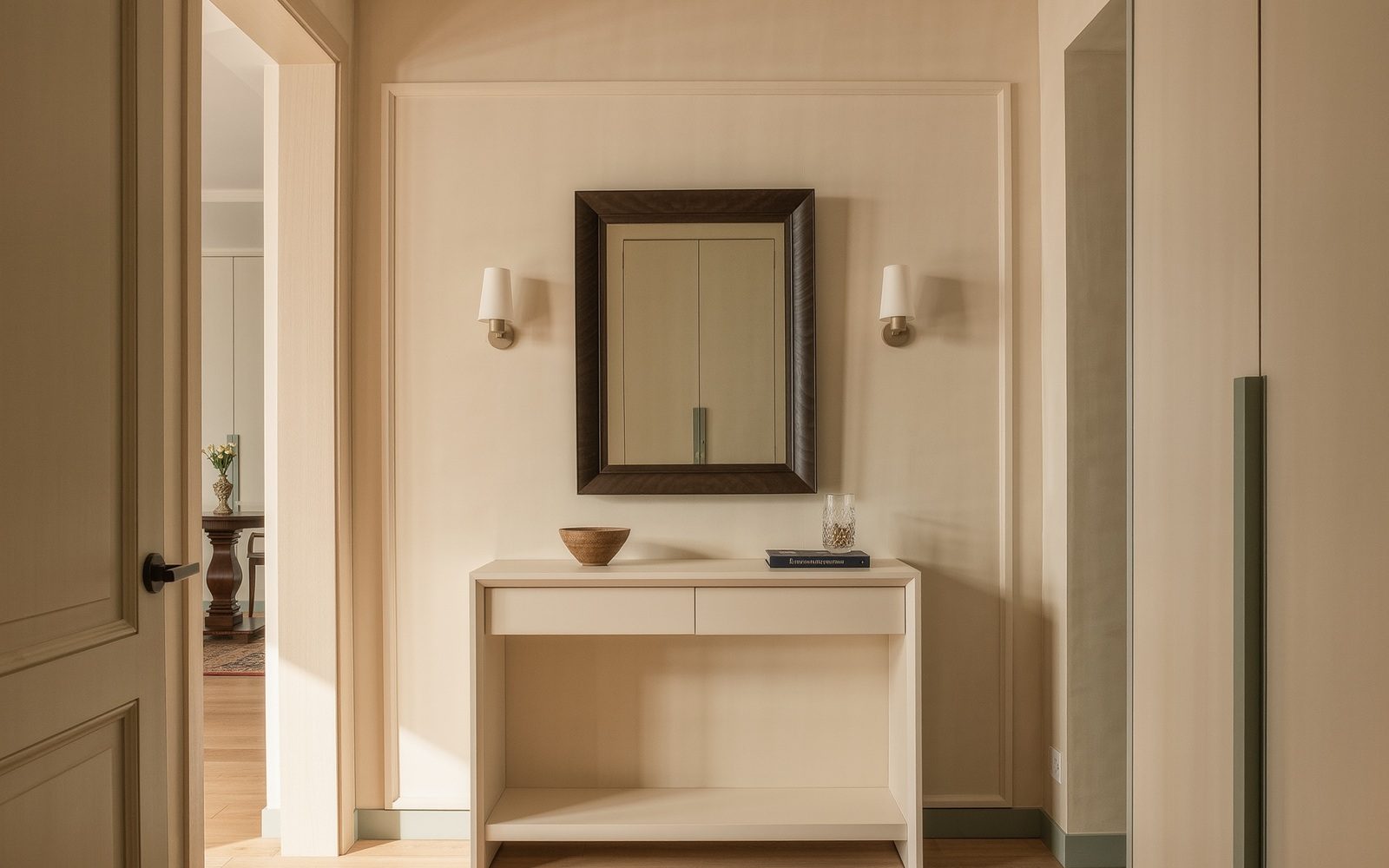
05Keep surfaces narrow
Use a slim landing surface without constricting the entrance.
 06
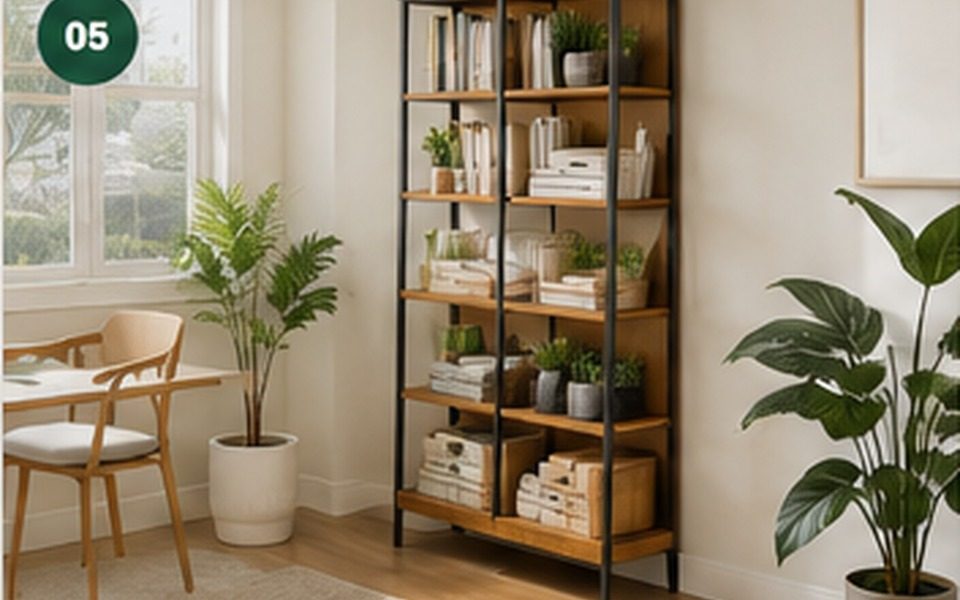
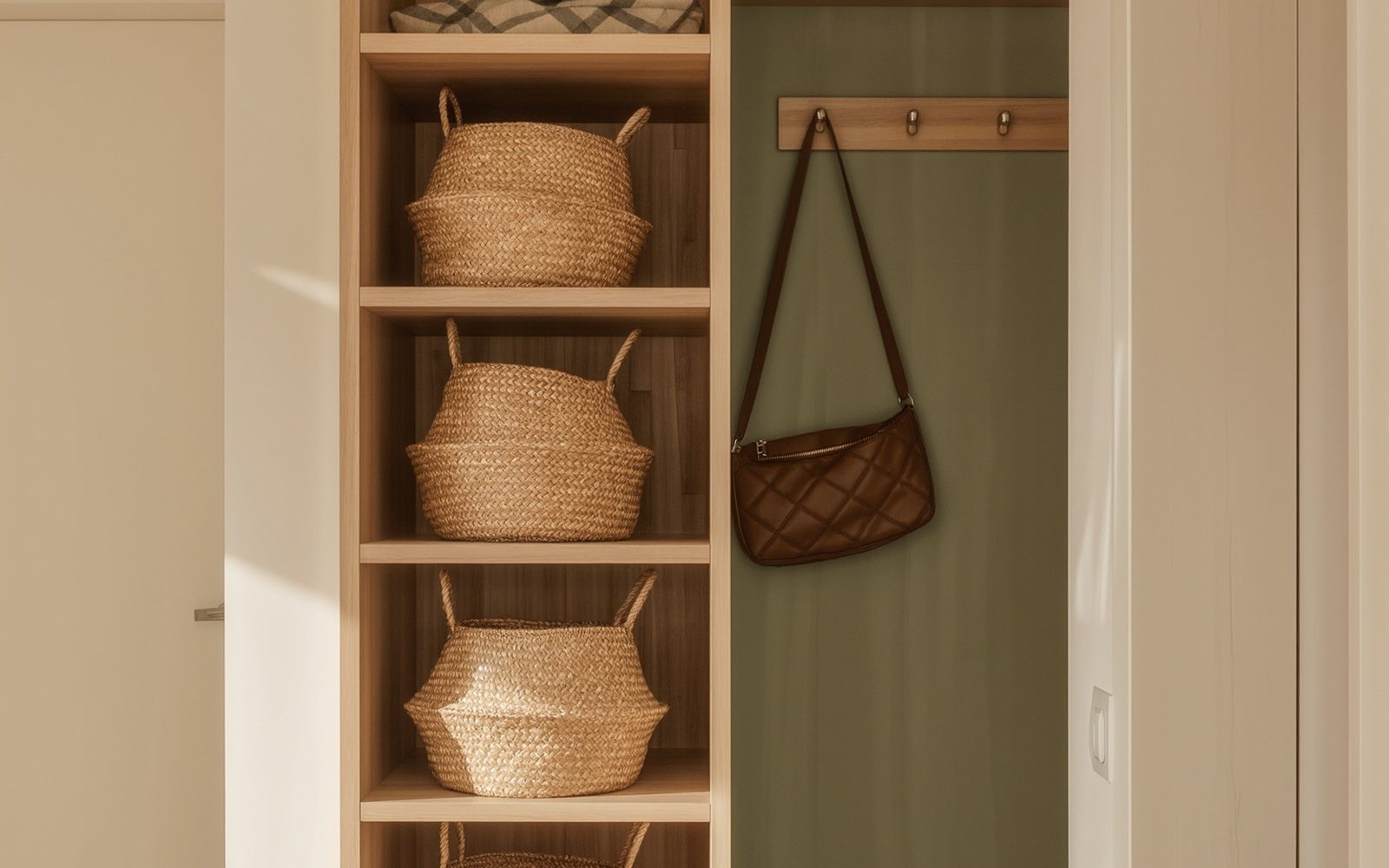
06Use height before width
Increase capacity upward while protecting the walking path.
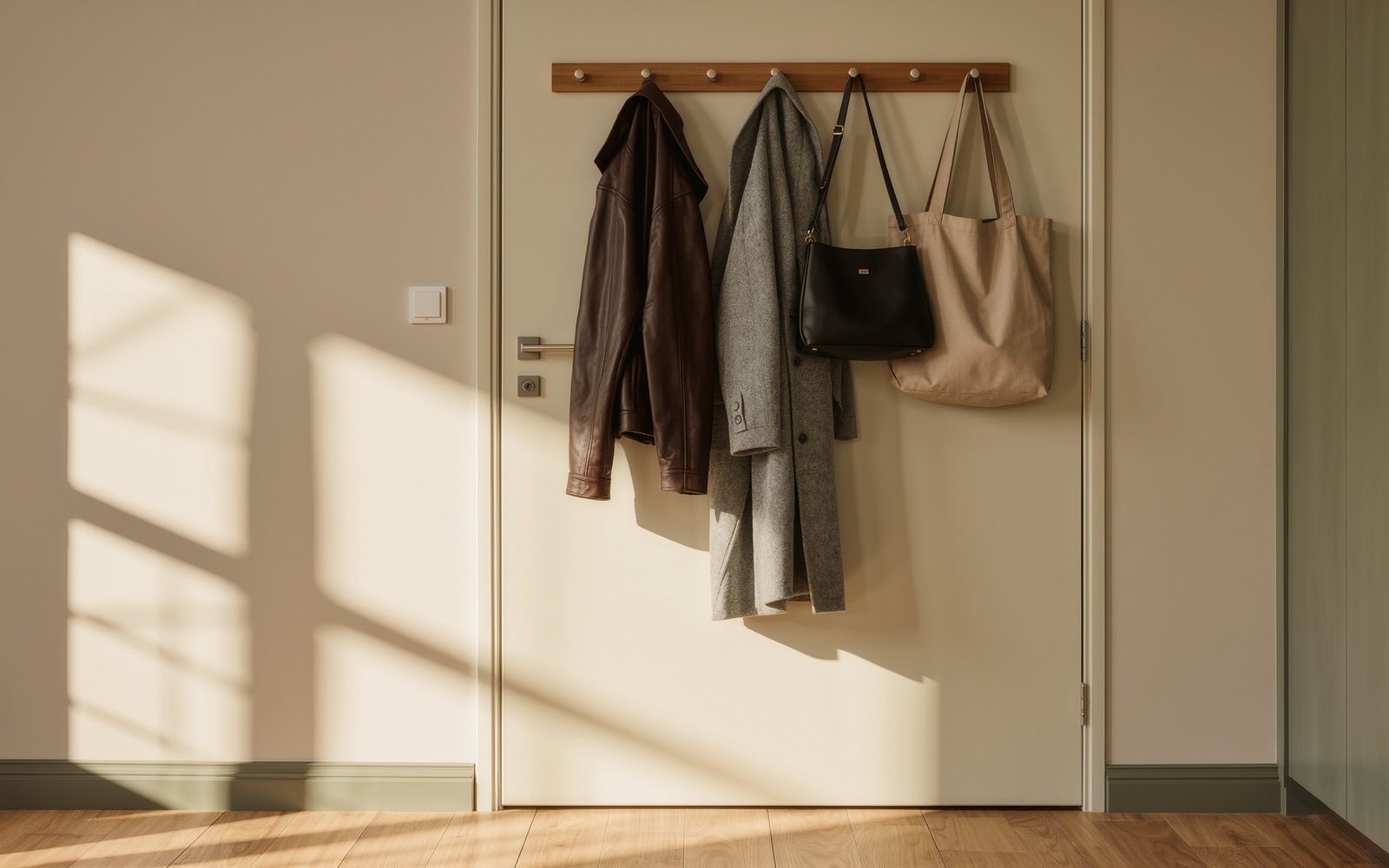 07
07Keep bags off the floor
Dedicated hanging storage prevents everyday items from spreading.
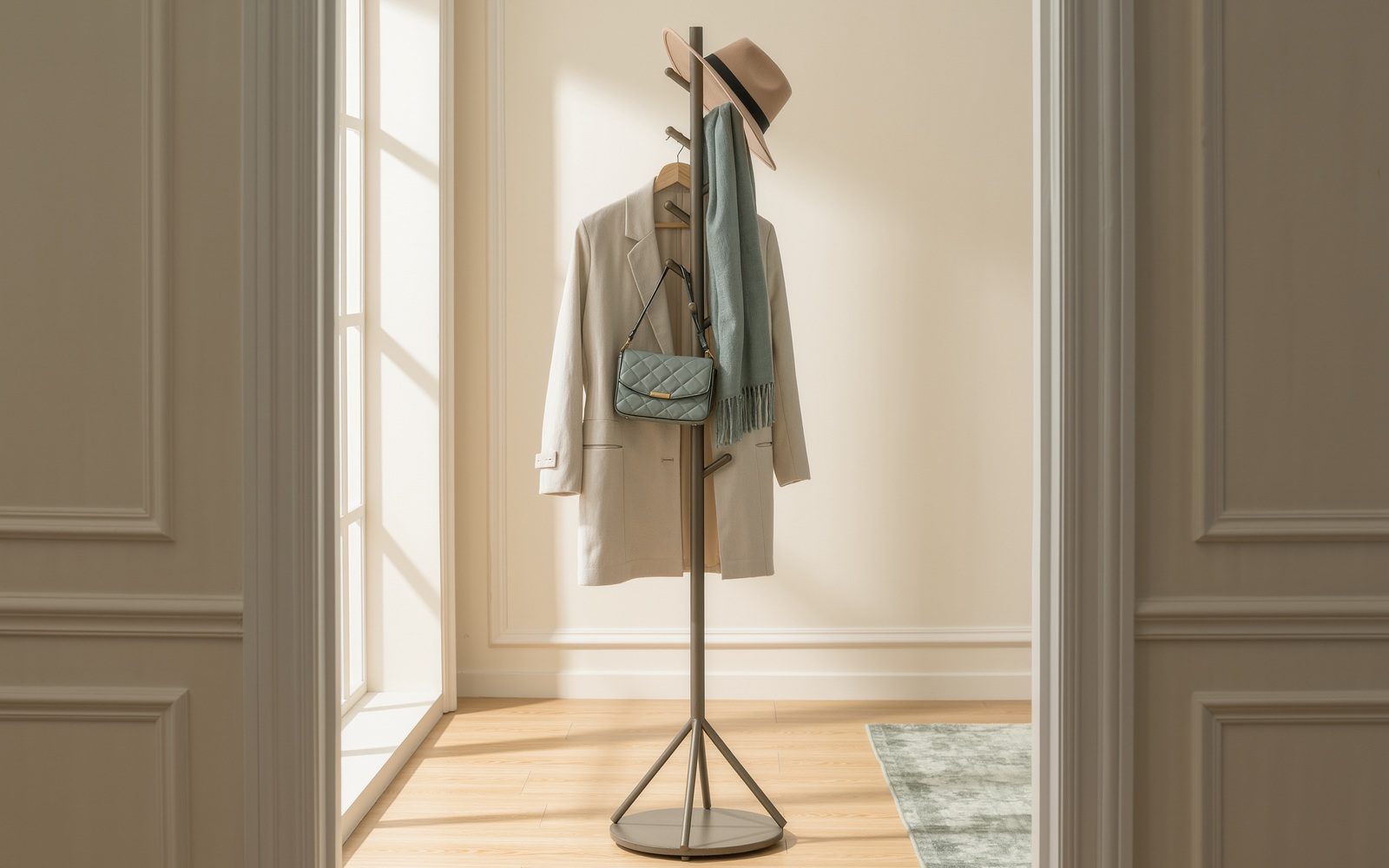 08
08Add hanging capacity compactly
Use a small-footprint vertical hanging solution.
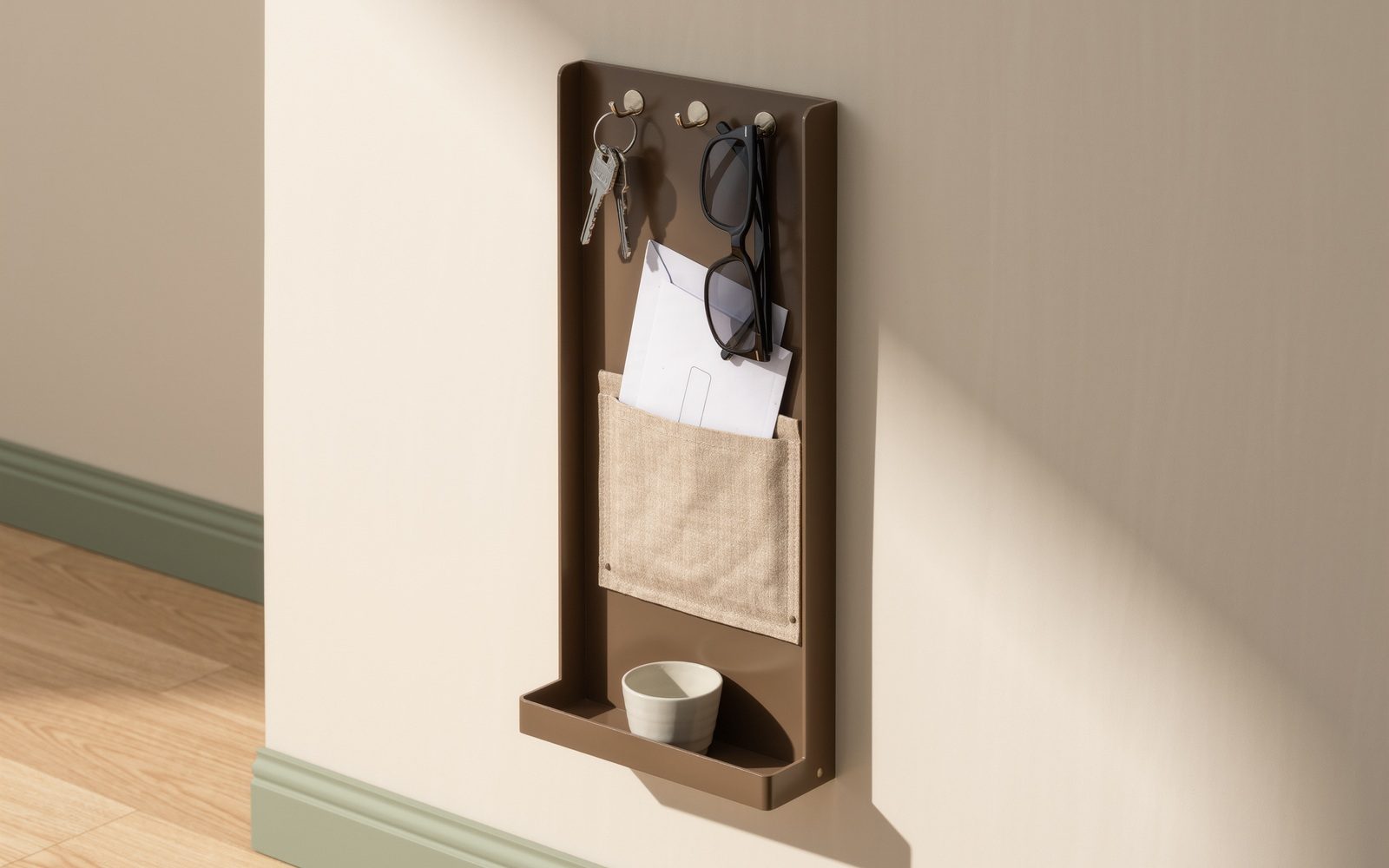 09
09Control keys and mail
Contain small daily clutter in one compact organizer.
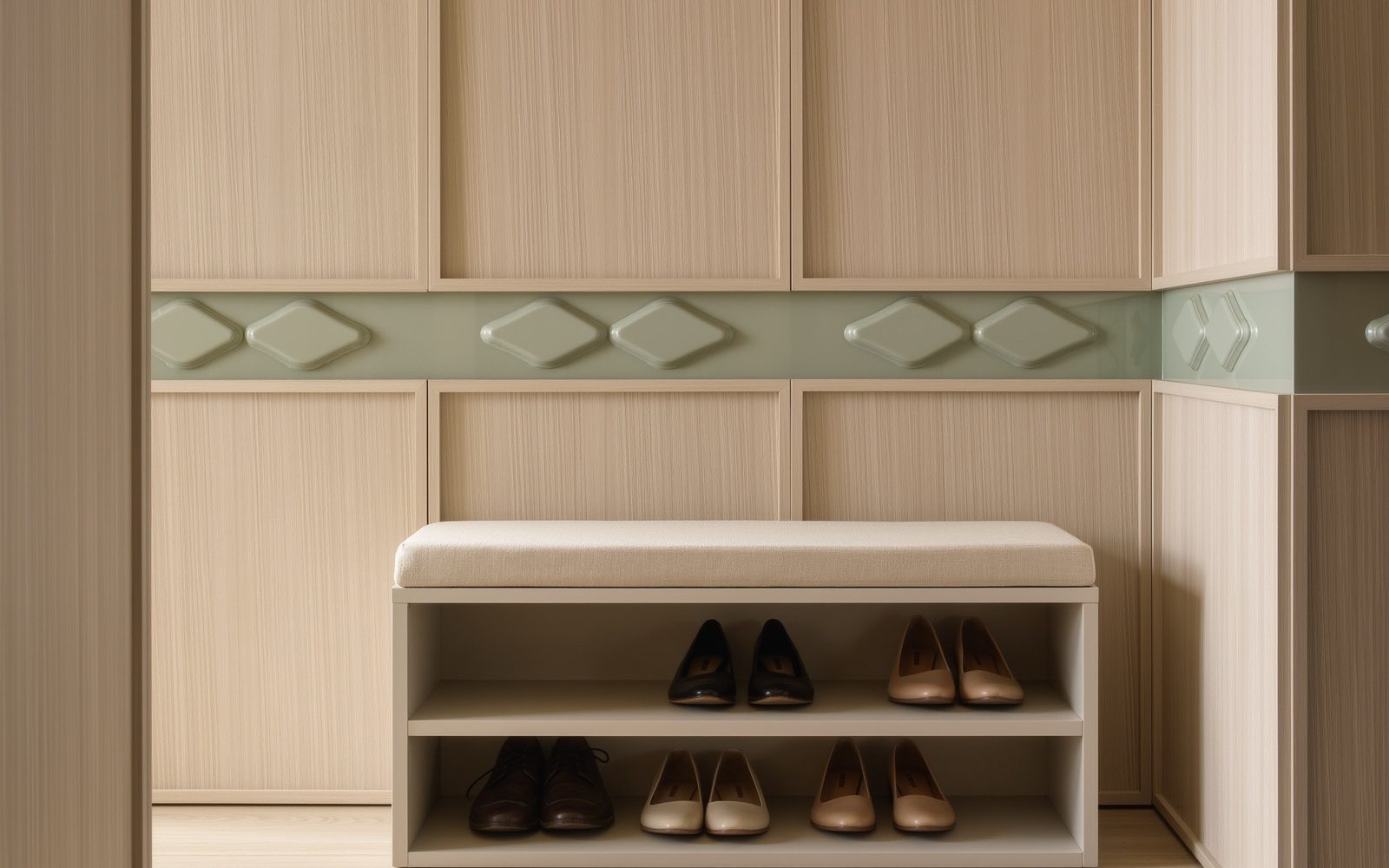 10
10Combine seating and shoe storage
Let one narrow piece perform two useful jobs.
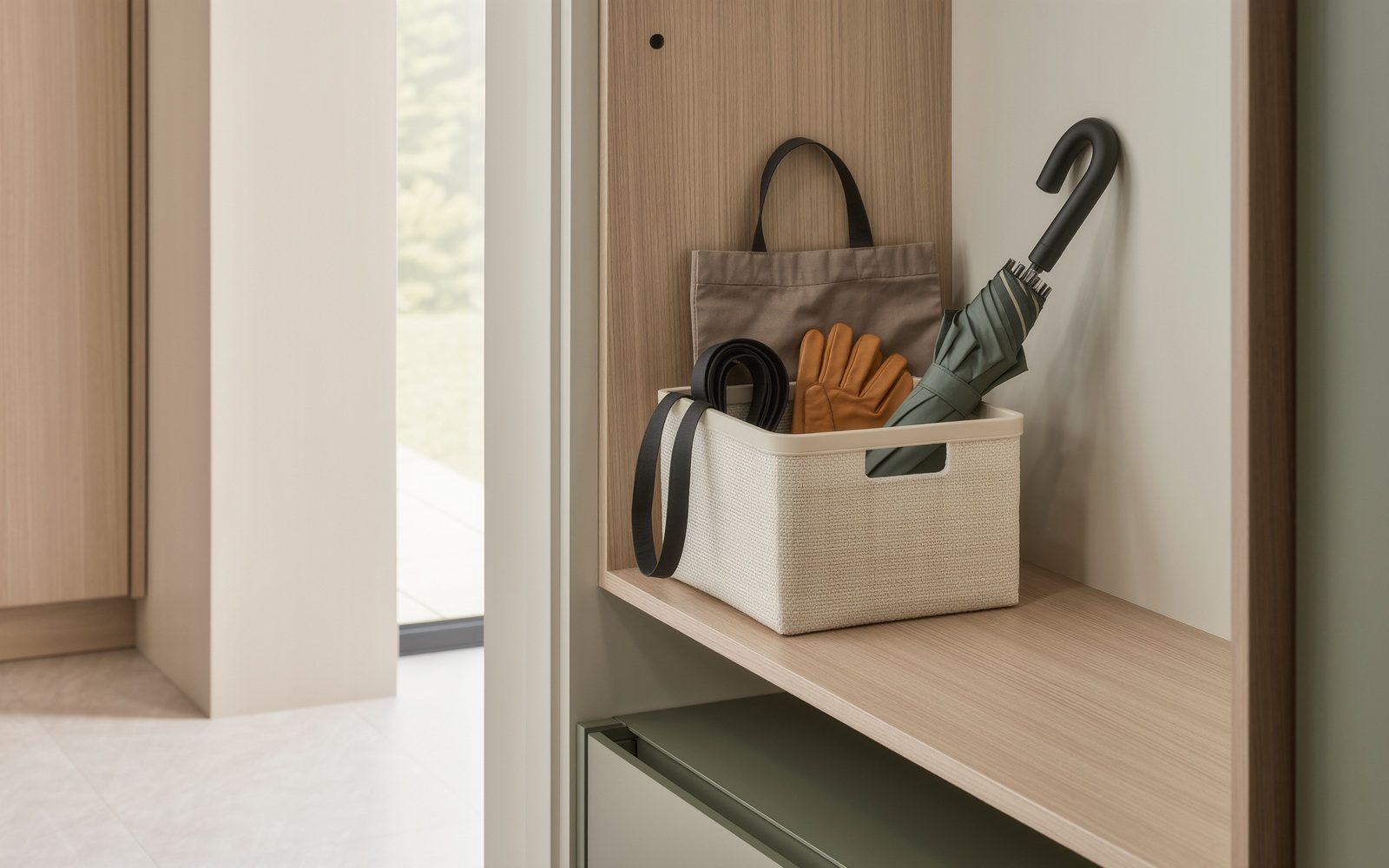 11
11Contain loose accessories
Give gloves, reusable bags and small essentials a dedicated home.
WHY SMALL SPACE EDIT?
Less scrolling. More useful ideas.
The concept is simple: group products around specific everyday problems instead of sending visitors straight into an enormous marketplace.