01
Find Your Style
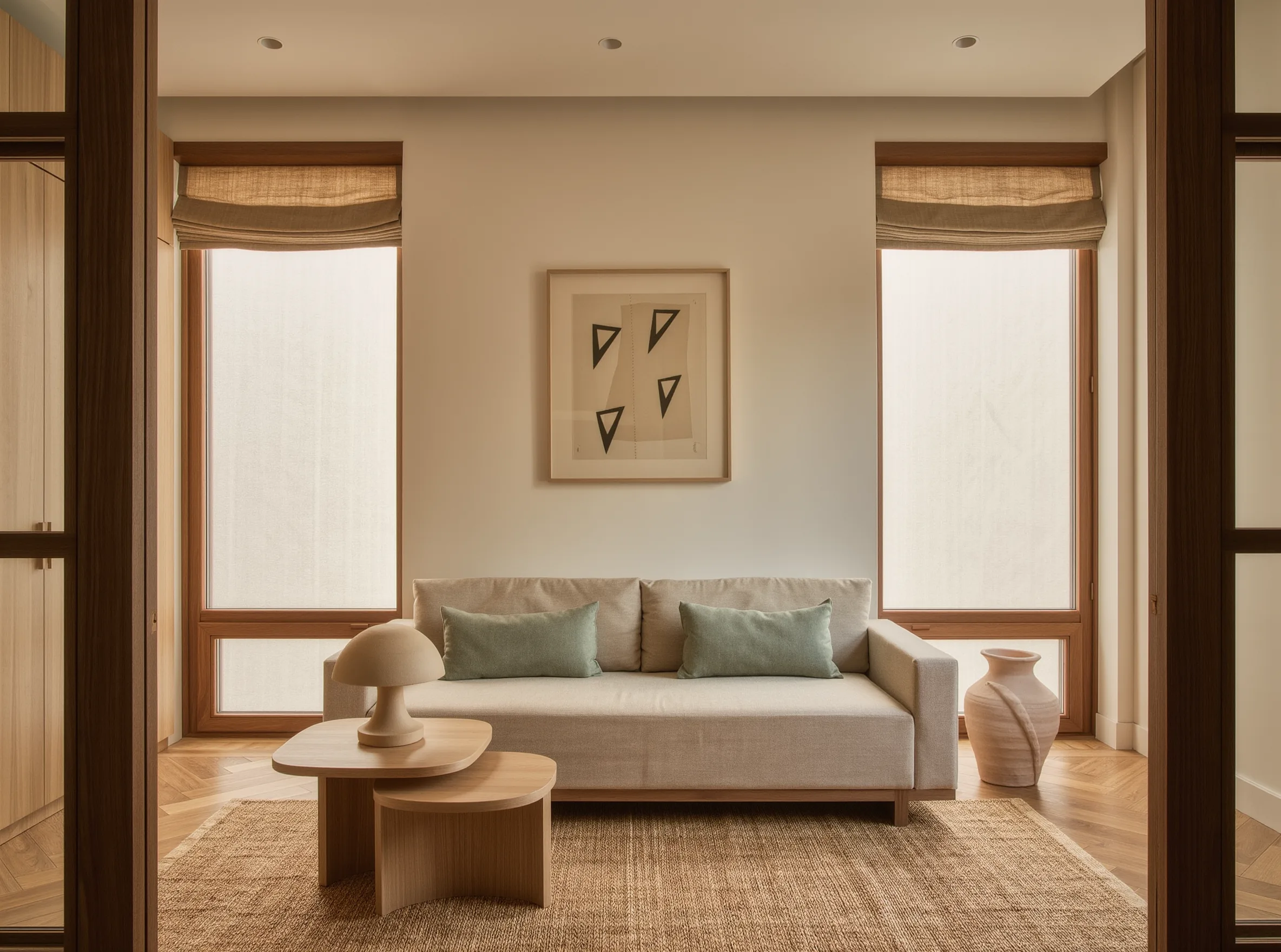
Blend modern, Scandinavian, Japandi, warm minimalist and natural influences without making a small room feel themed.
Design principle: Start with one calm base, then add two or three style cues through shape, texture and finish.
A modern blend of styles, color and practical details for creating a small home that feels more beautiful, calm and personal.
Our approach blends complementary influences and filters them through one rule: every choice should look good, feel well-proportioned and genuinely work in a small space.
Blend modern, Scandinavian, Japandi, warm minimalist and natural influences without making a small room feel themed.
Design principle: Start with one calm base, then add two or three style cues through shape, texture and finish.
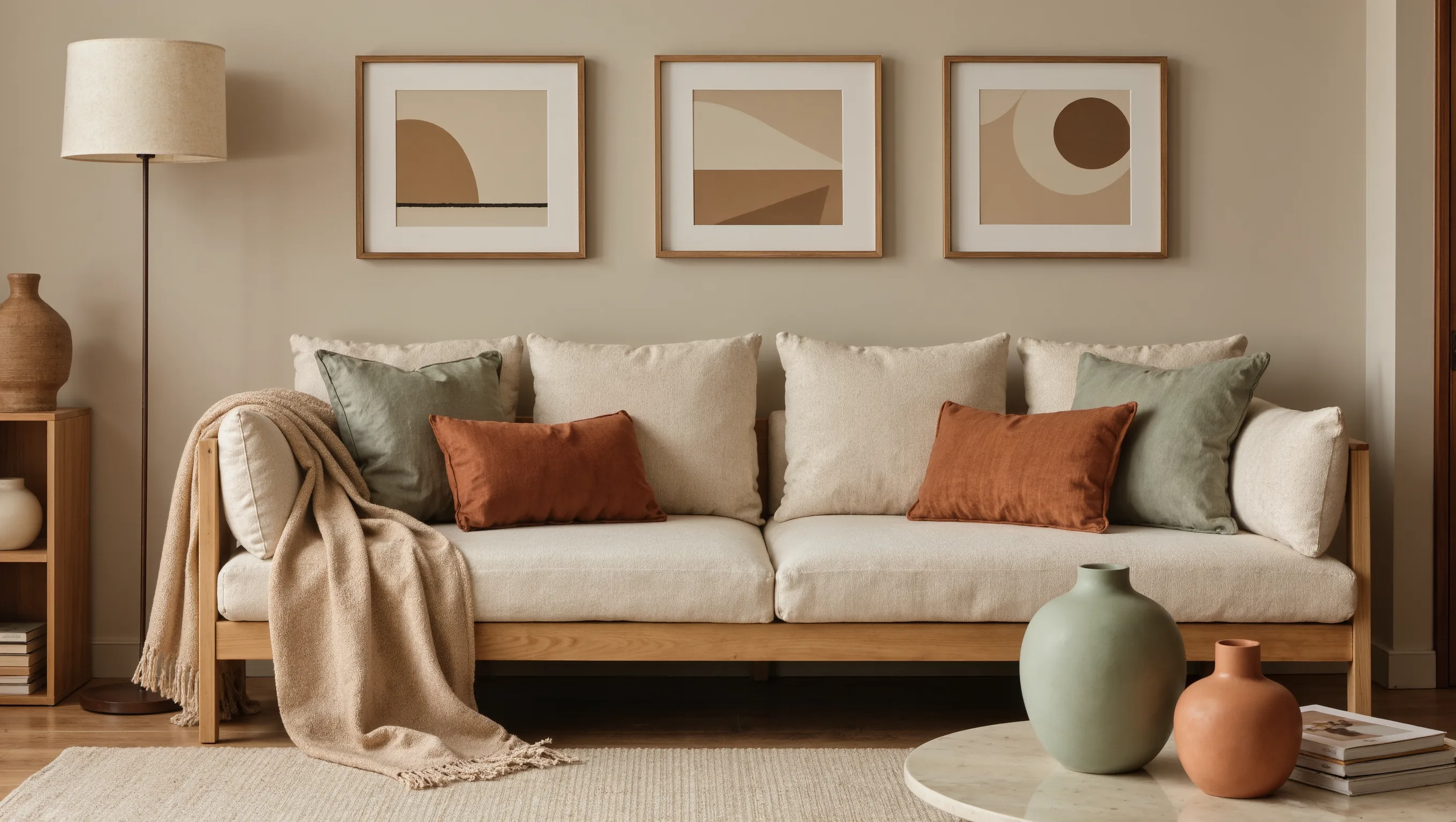
Use warm neutrals, muted greens, clay tones and controlled contrast to create depth without visual noise.
Design principle: Repeat a compact palette across walls, textiles and accessories so the room reads as one space.
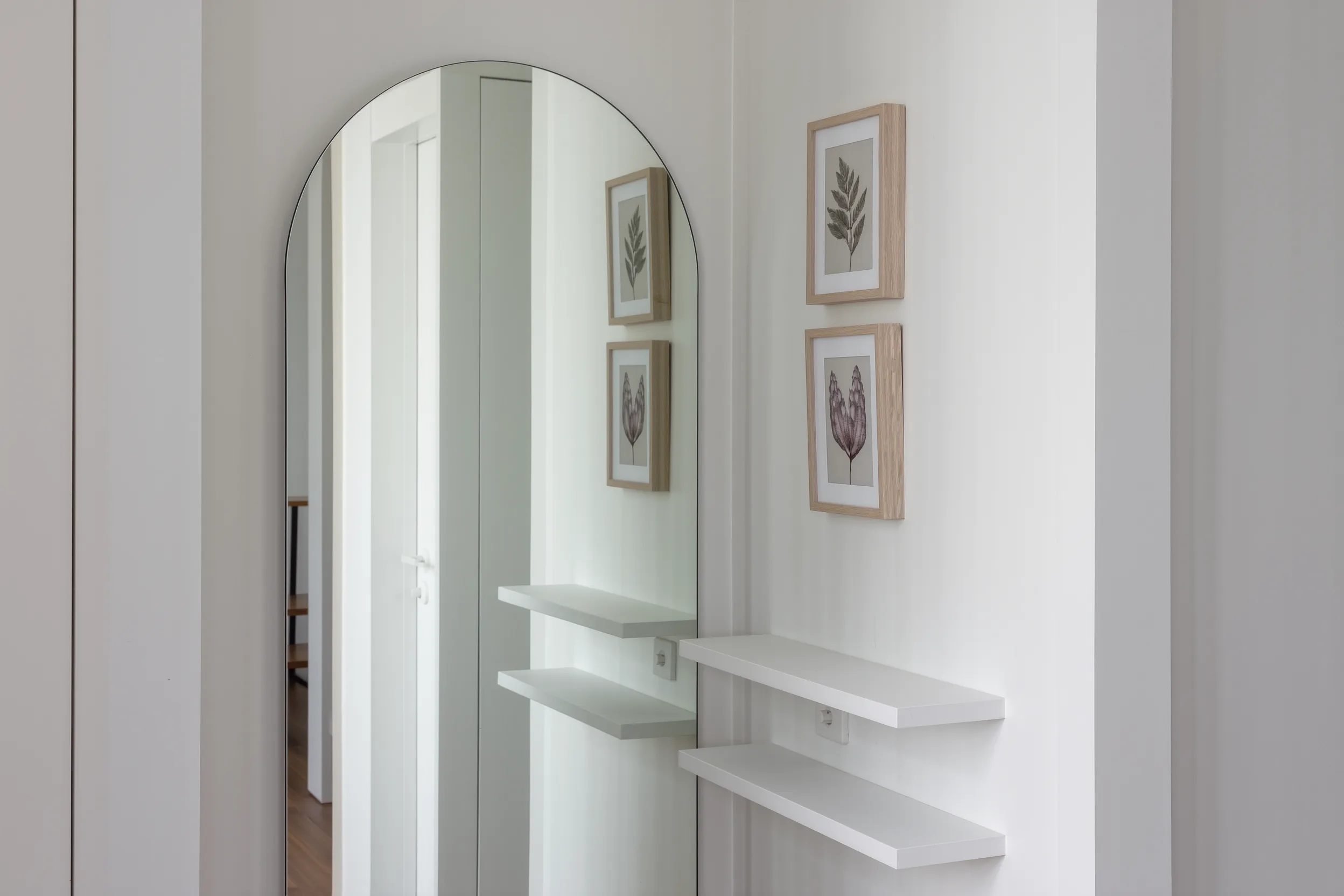
Turn blank walls into useful visual space with art, mirrors and shallow displays.
Design principle: Use one intentional focal arrangement instead of scattering many small objects around the room.
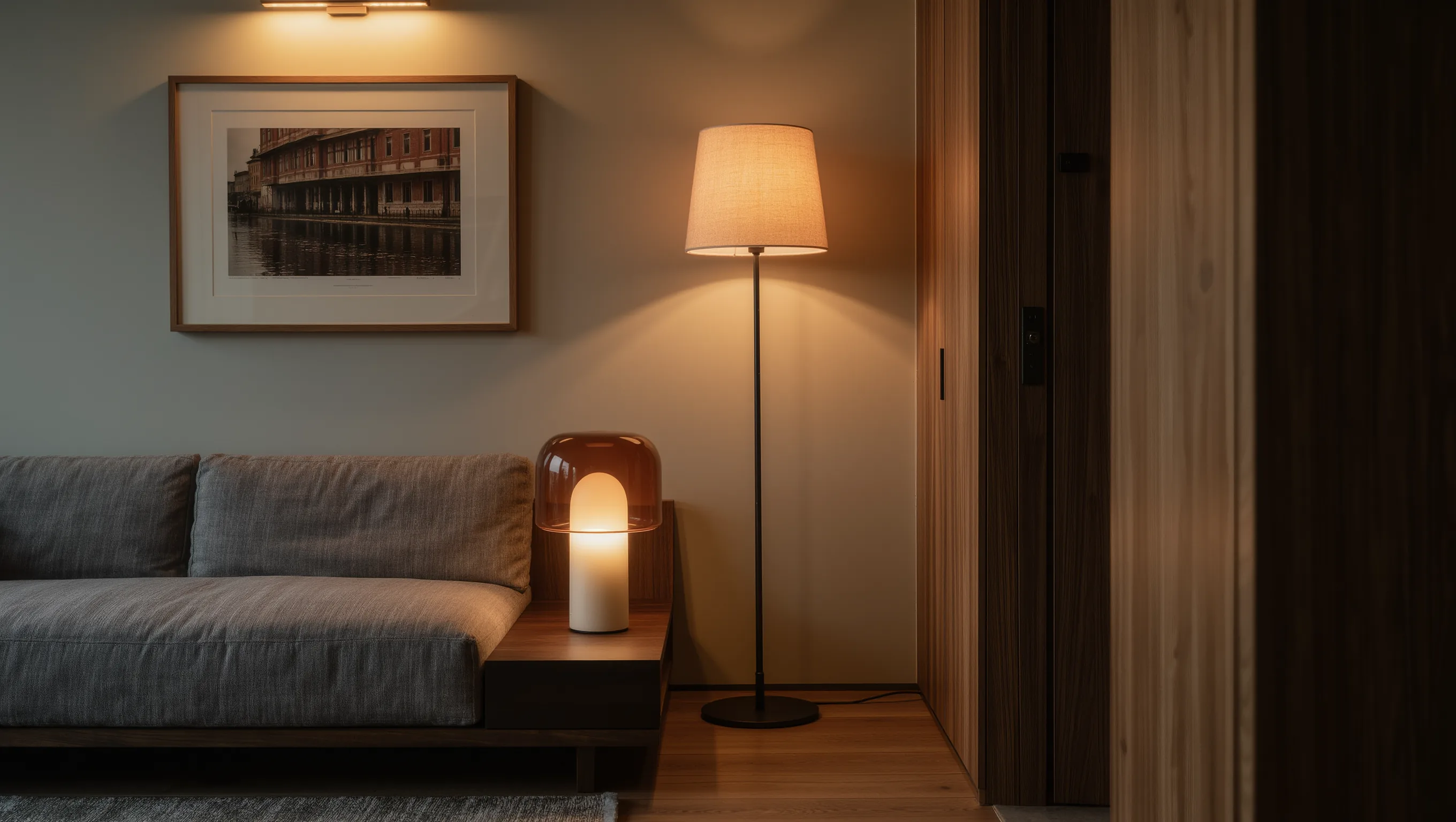
Layer ambient, task and accent lighting to make compact rooms feel warmer and more dimensional.
Design principle: Choose slim floor lamps, wall lights and small table lamps that add light without consuming useful surfaces.
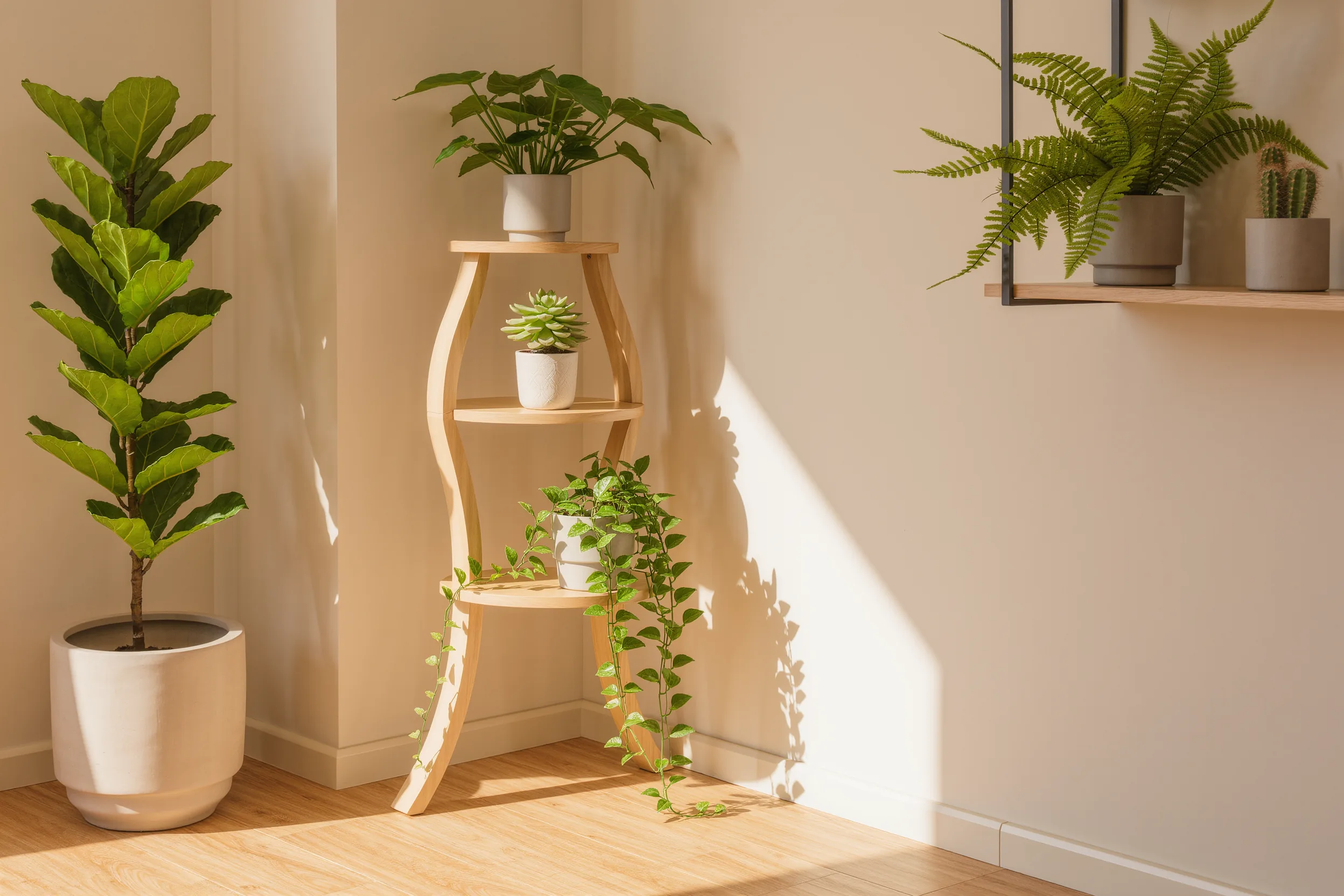
Bring softness and life into compact interiors with carefully placed greenery.
Design principle: Favor vertical plant stands, shelves and a few well-scaled plants rather than crowding every surface.
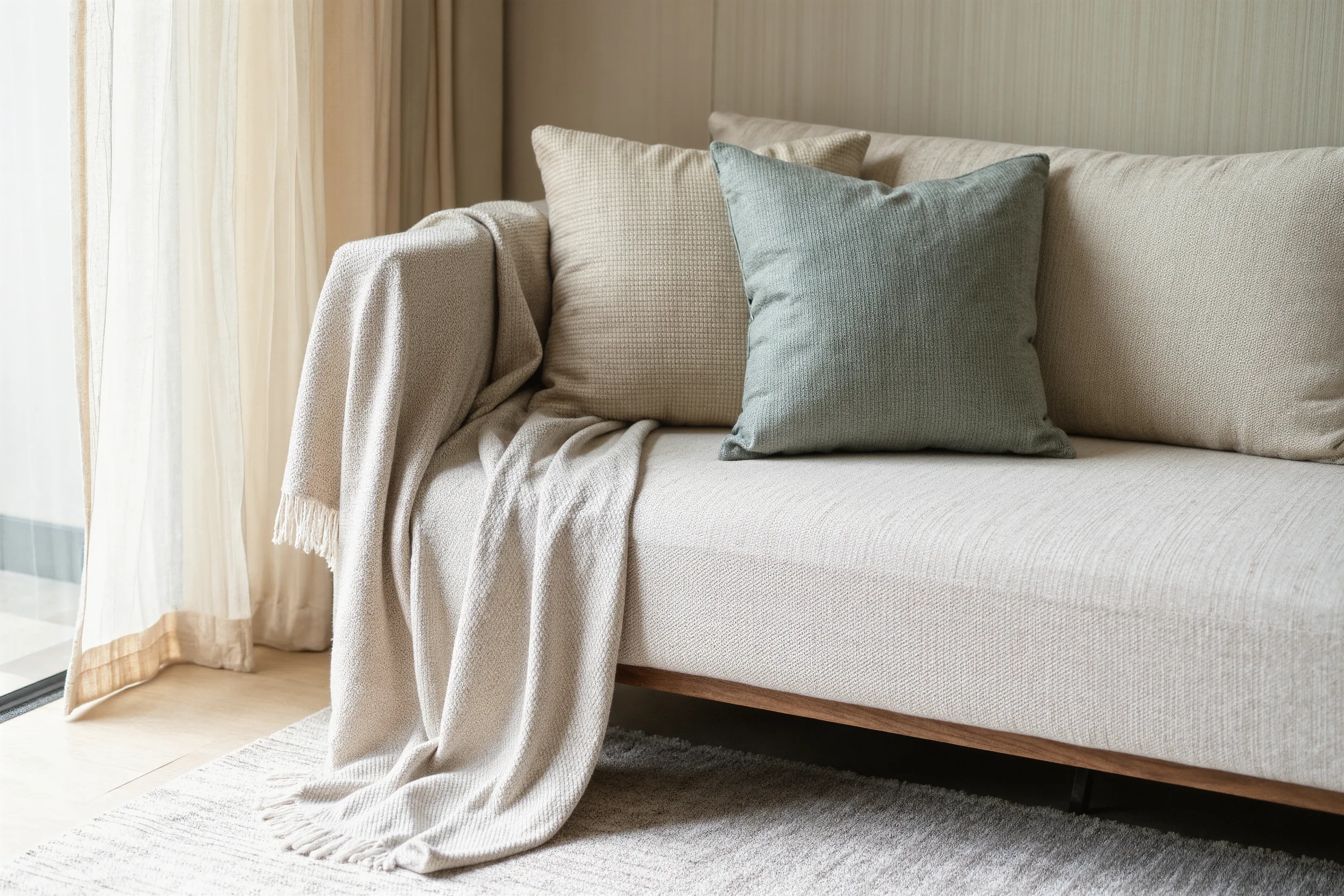
Add comfort through rugs, curtains, cushions and throws while keeping the room visually calm.
Design principle: Repeat textures and tones; use fewer, better-scaled pieces instead of many competing patterns.
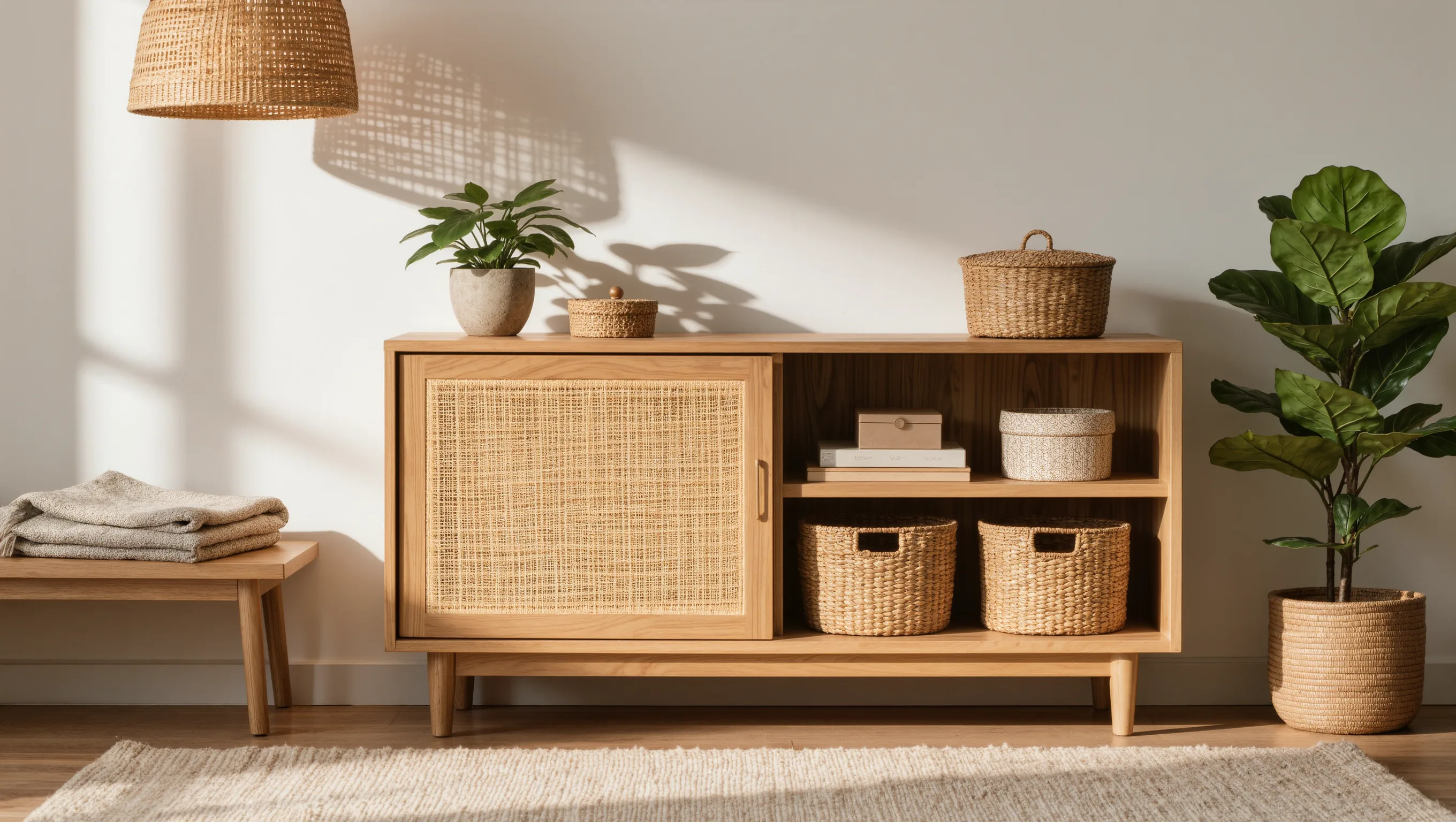
Let storage contribute to the design with baskets, boxes, cabinets and shelving that look intentional.
Design principle: Hide everyday clutter first, then leave breathing room for a small number of decorative objects.
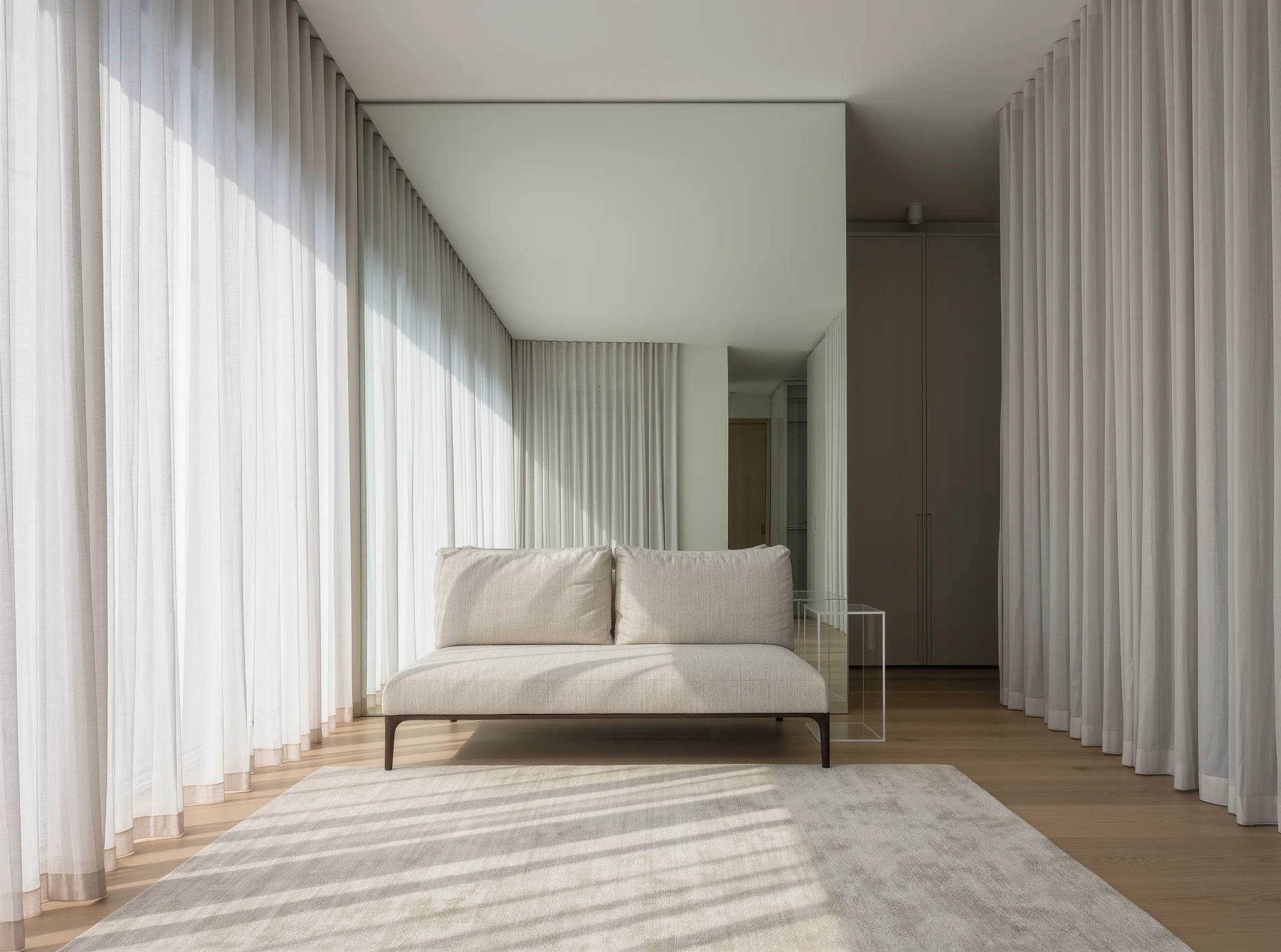
Use sightlines, mirrors, raised furniture and visual continuity to make a small room feel more open.
Design principle: Protect floor visibility and avoid blocking natural light with bulky pieces.
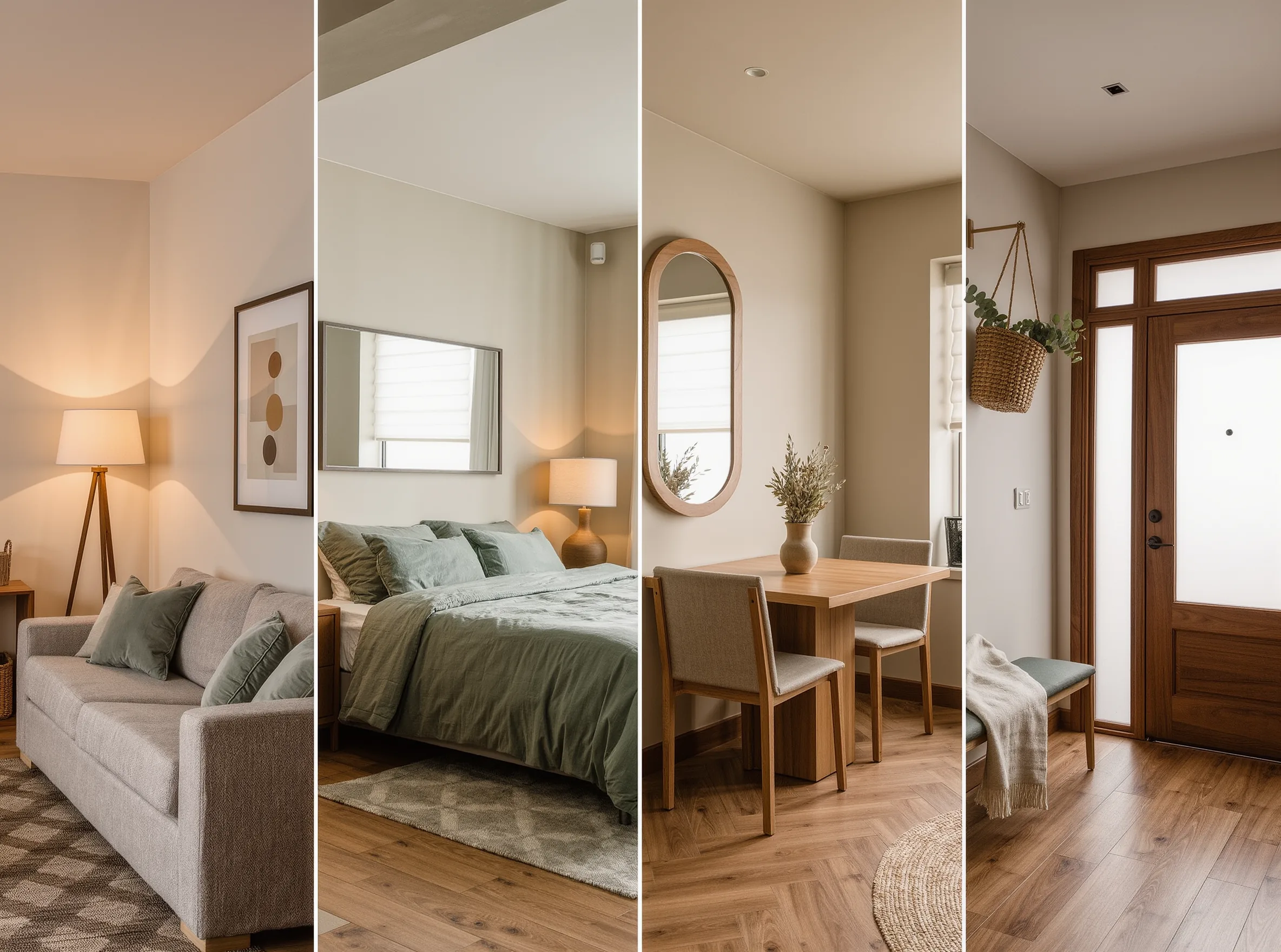
Adapt the same design language to living rooms, bedrooms, kitchens, bathrooms, entryways and workspaces.
Design principle: Keep the palette connected while changing the functional details for each room.
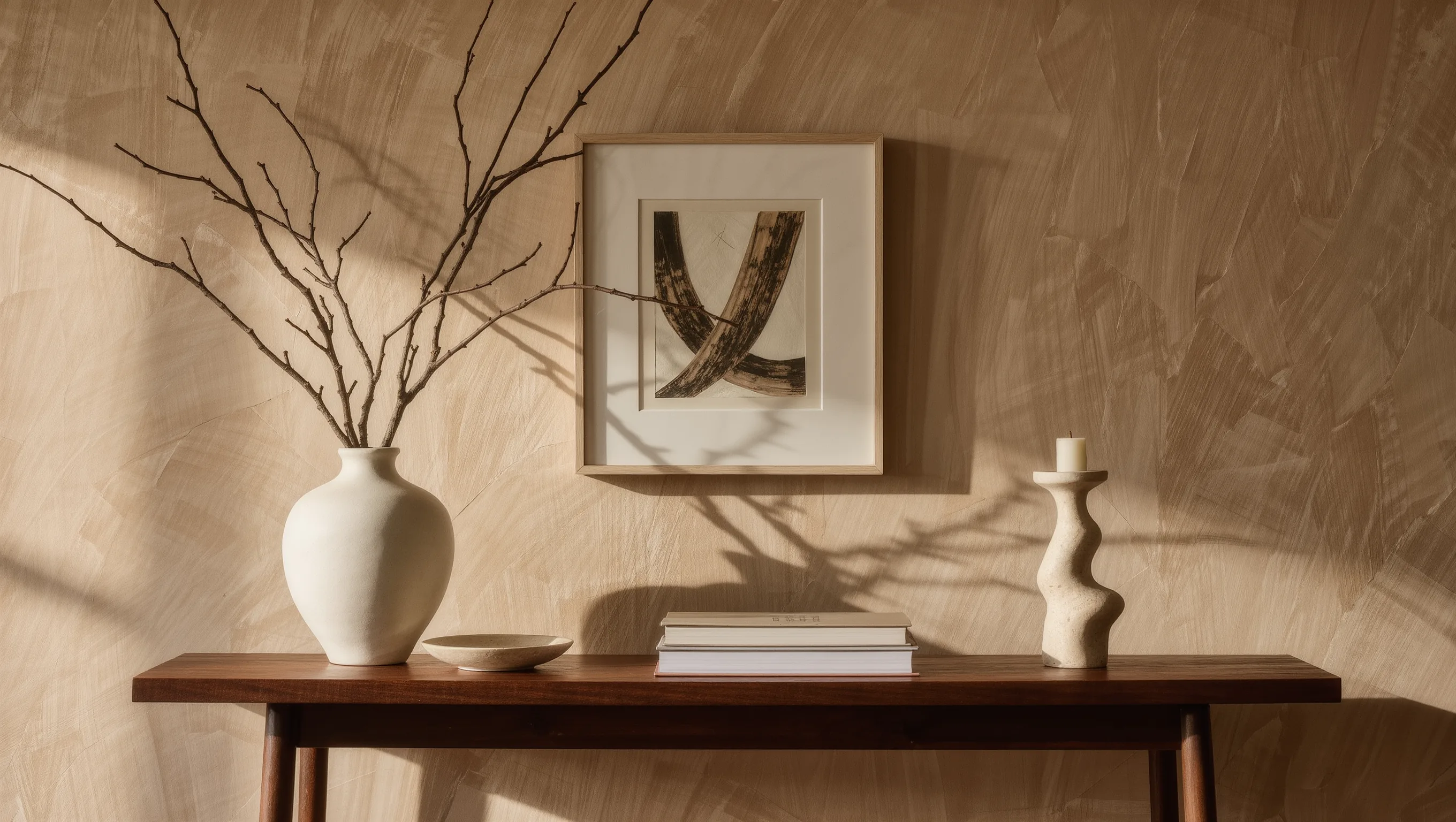
Use art, ceramics, books, trays and small objects to give the room personality without adding clutter.
Design principle: Group details into deliberate compositions and leave empty space around them.
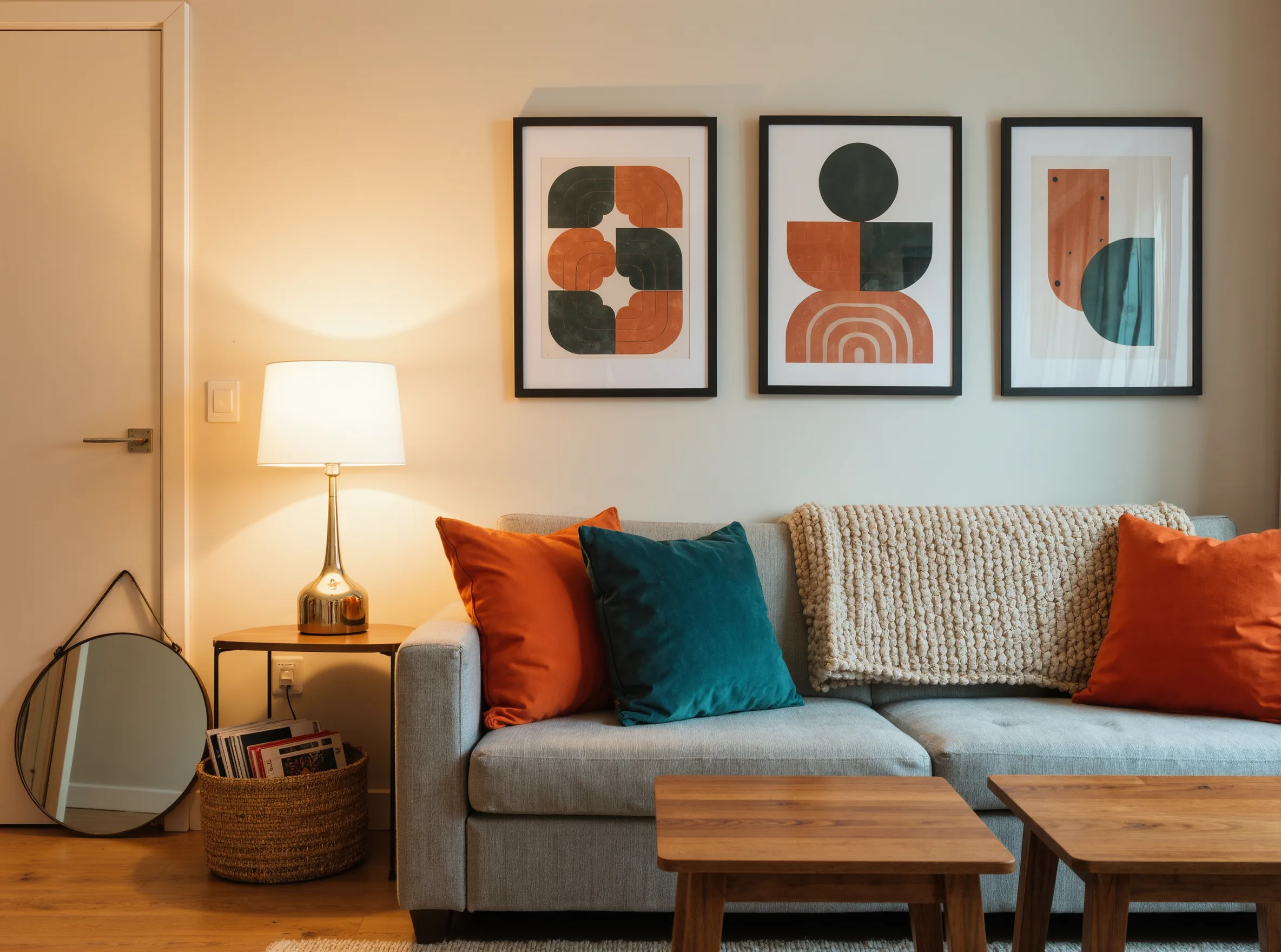
Improve the room through placement, editing and a few high-impact additions before buying more furniture.
Design principle: Prioritize lighting, textiles, mirrors and storage pieces that change both appearance and function.
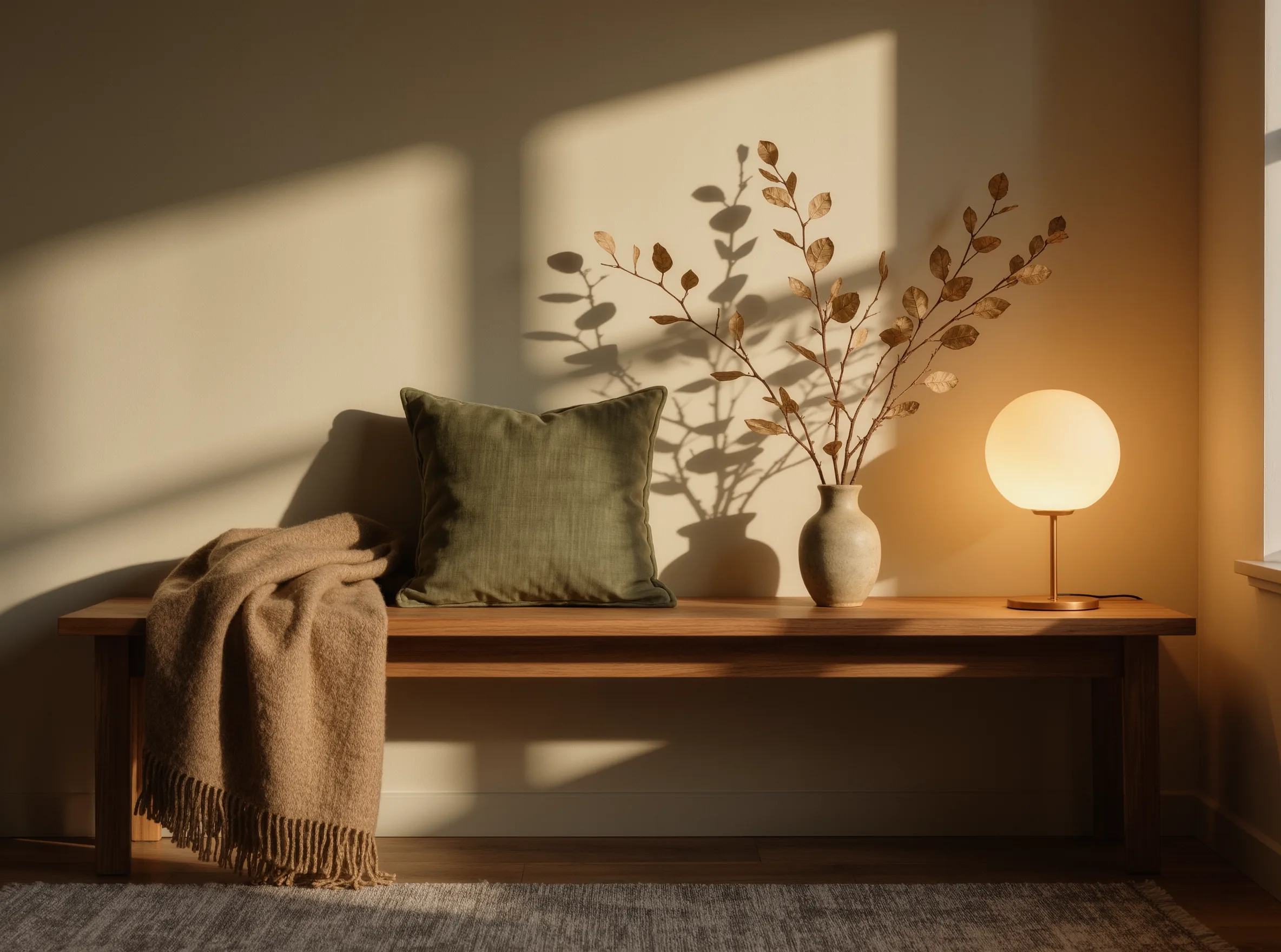
Refresh a compact home through small, reversible changes rather than storing large seasonal collections.
Design principle: Rotate textiles, branches, flowers and a few accents while keeping the core room unchanged.
Pair these ideas with our room-by-room guides and practical Finds pages whenever you need a more specific solution.
Use measurements, circulation and specifications to choose only what actually fits.
See the planWe use the Pinterest tag only with your permission to measure visits and conversions coming from Pinterest. Learn more